


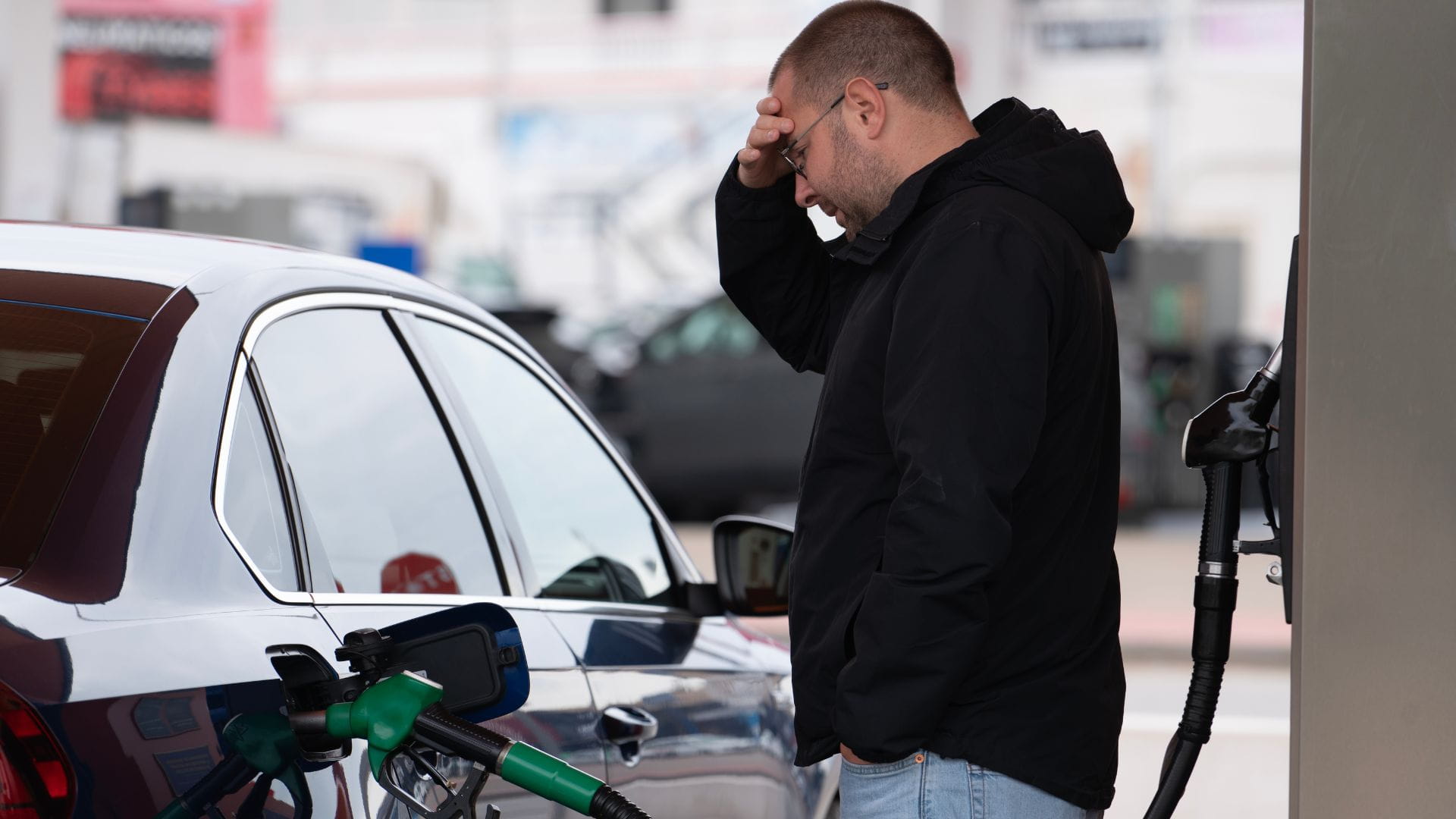
Few things shape your gas bill as much as how you drive. Studies have repeatedly found that personal driving habits are the single biggest factor in a vehicle’s fuel consumption, according to AAA. That puts the savings in your hands, and it starts with small, ordinary moves, like checking tire pressure and easing off the gas well before a red light.
Keep Your Tires Pumped Up
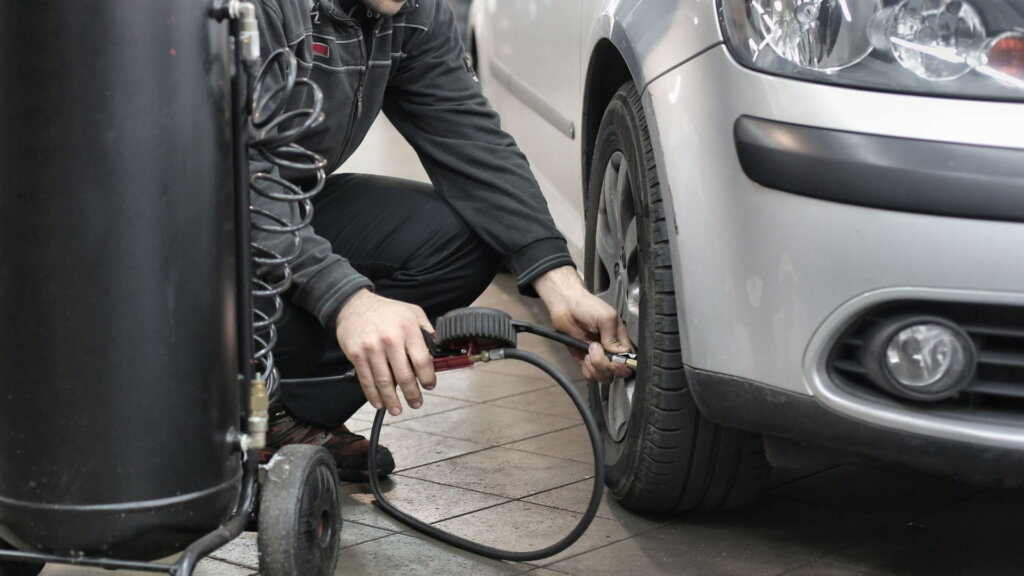
Underinflated tires have higher rolling resistance, which means more friction with every kilometer traveled and higher fuel consumption. If all of your tires run 10 psi low, fuel efficiency could fall by as much as 10 percent, according to Mobil. Low pressure also hurts handling and braking, wears tires out faster, and can lead to overheating and blowouts. Fuel savings are only part of the reason to check them.
Where Speed Starts to Cost You
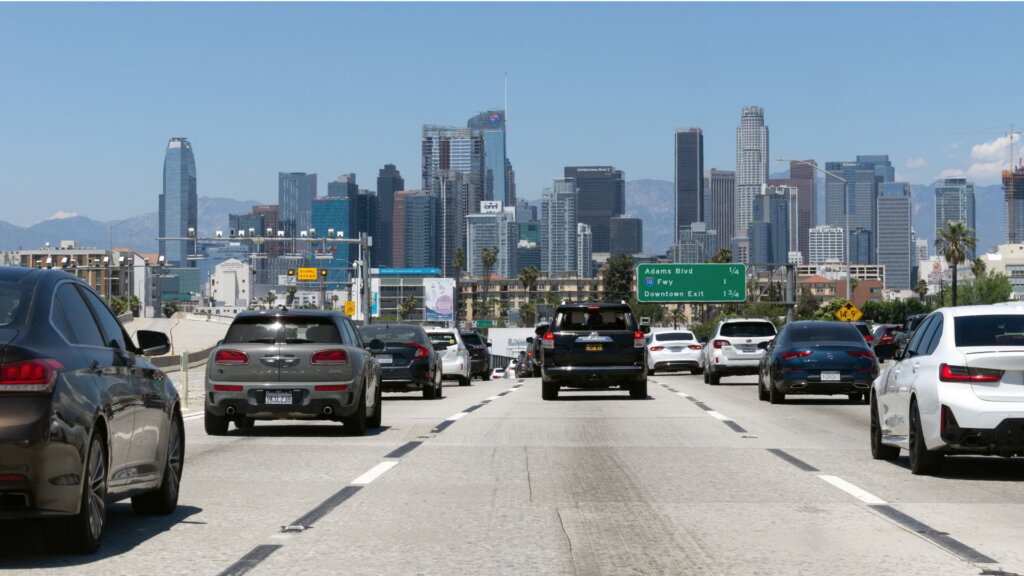
On the highway, aerodynamic drag makes fuel economy drop off significantly once speeds climb above 50 mph. Mobil says you could burn up to 15 percent more fuel at 100 km/h (about 62 mph) and up to 25 percent more at 110 km/h (about 68 mph). Crawling is not the answer either. Below 50 km/h (about 31 mph), the engine drops to a lower gear and uses more fuel.
Go Easy on the Gas Pedal
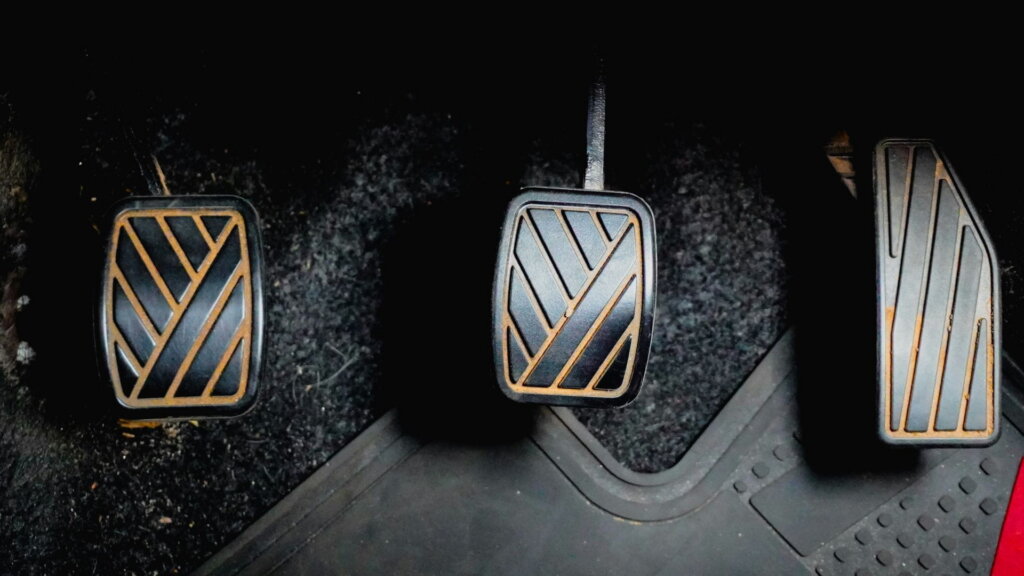
Jackrabbit starts, and hard acceleration greatly increases fuel consumption. Light to moderate throttle works better, since it lets an automatic transmission upshift into higher gears sooner, which keeps engine RPM down and saves fuel. Hills follow the same logic. Start building speed as you near the base of one, and skip the hard acceleration on the climb itself and when pulling away from a complete stop.
Look Ahead, Then Coast
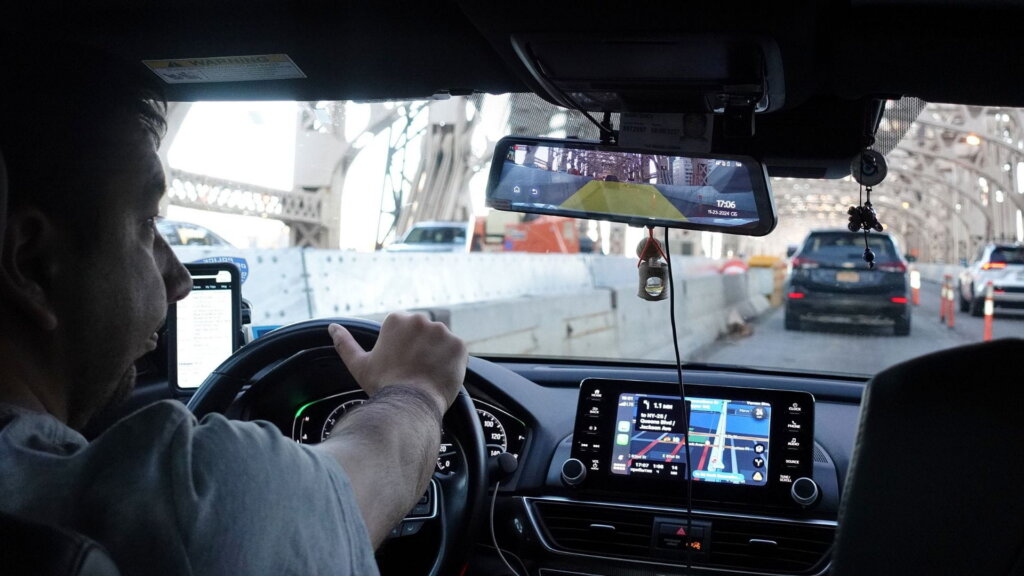
When a red light or stop sign is coming up, lift your foot off the gas early and let the car coast down before you brake. In town, adjusting your speed to time the traffic lights reduces repeated braking and acceleration. Slamming on the brakes means accelerating again later, especially when you tailgate, which is dangerous anyway. Plan your route around the worst of rush hour, since Mobil says stop-start traffic burns more fuel.
Shut Off the Engine
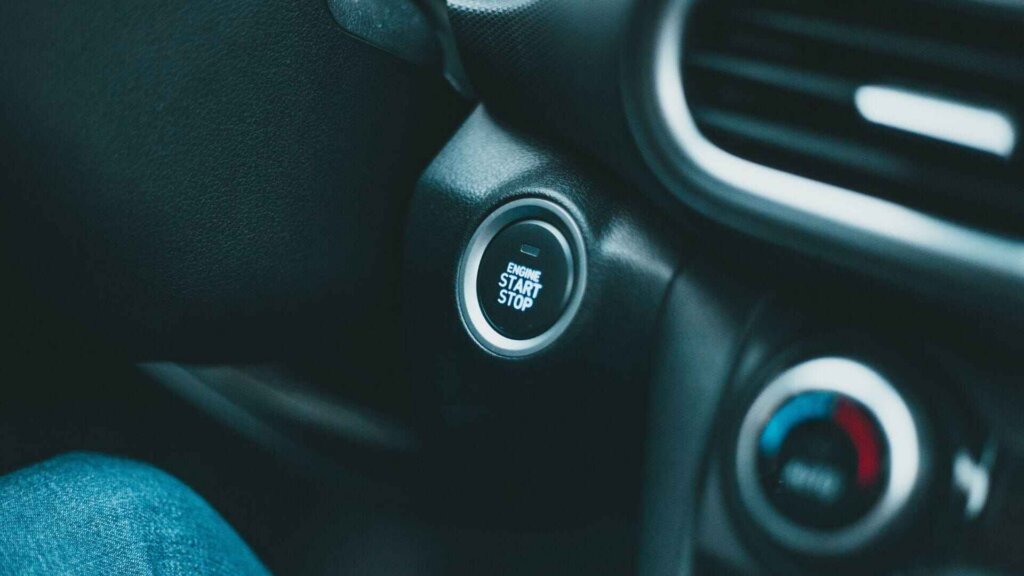
Idling goes nowhere, and the engine burns fuel the whole time. AAA recommends turning it off if the car will be stopped for more than 60 seconds, and many newer cars do this on their own with automatic engine stop-start systems. Extended idling just to warm up the engine is unnecessary, even in winter, and it wastes fuel as well.
Let Cruise Control Do the Work
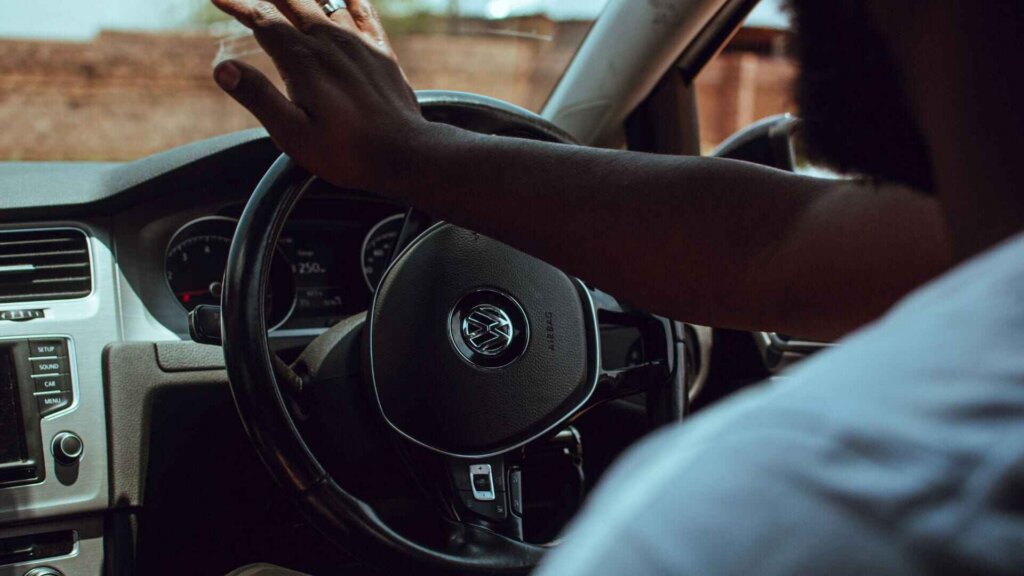
Cruise control helps hold a constant speed, which saves fuel, though it should never be used on slippery roads because a loss of vehicle control could result. In a manual car, the goal is to upshift as soon as you can without lugging the engine. When practical, skip-shifting, such as going directly from first gear to third, can save fuel too. Higher gears mean fewer engine revolutions per minute.
Beat the Heat Before You Drive
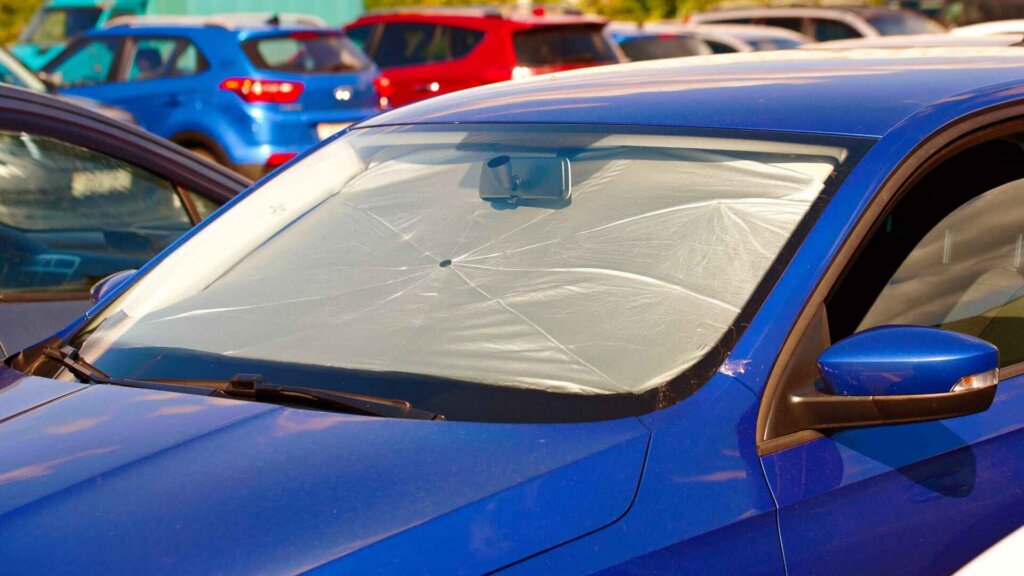
In hot weather, parking in the shade or using a windshield sunscreen lessens heat buildup inside the car. That reduces how much you need the air conditioning to cool things down. AAA advises minimizing AC use in general, since running the compressor takes engine power. A cooler cabin at the start of a drive means less fuel spent getting comfortable.
Dead Weight Adds Up
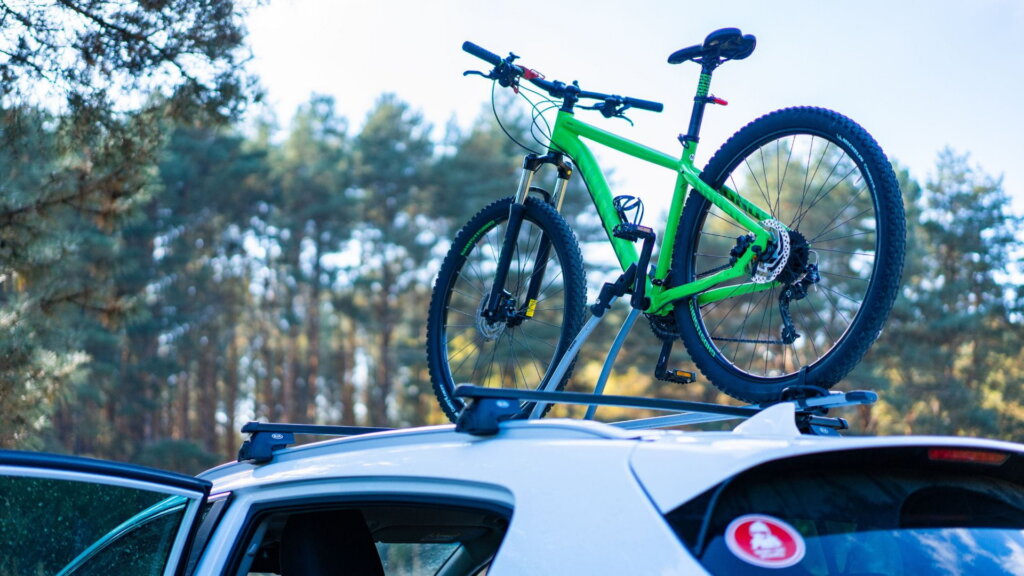
Extra stuff in the trunk costs fuel, since it takes more to accelerate a heavier car, and the hit is bigger for small cars than for larger models. Mobil puts it at 2 percent more fuel consumption for every extra 50 kg (about 110 pounds). On the highway, even an empty bike, canoe, or ski rack can reduce fuel economy, while a loaded rack or car-top container has a major effect on mileage.
Keep Up With the Basics
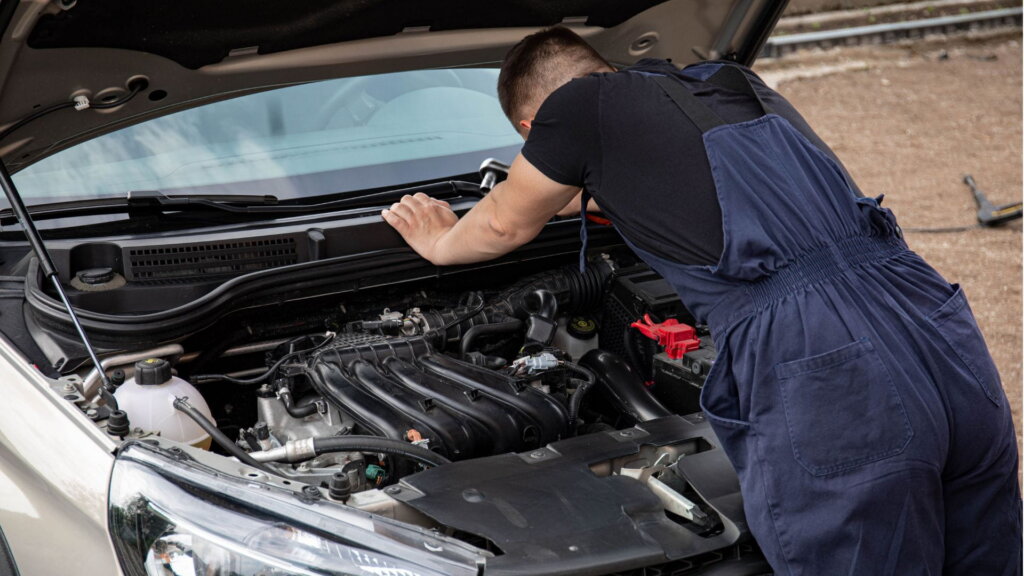
Following the manufacturer’s recommended service schedule protects fuel economy, performance, and longevity, even though modern cars no longer need tune-ups. A Check Engine light deserves a prompt repair visit, since it indicates a problem that is likely hurting fuel economy. Premium fuel offers no added benefit unless the manufacturer recommends or requires it, AAA research found. Fewer mistakes and steady upkeep make a lighter bill at the pump realistic.
