


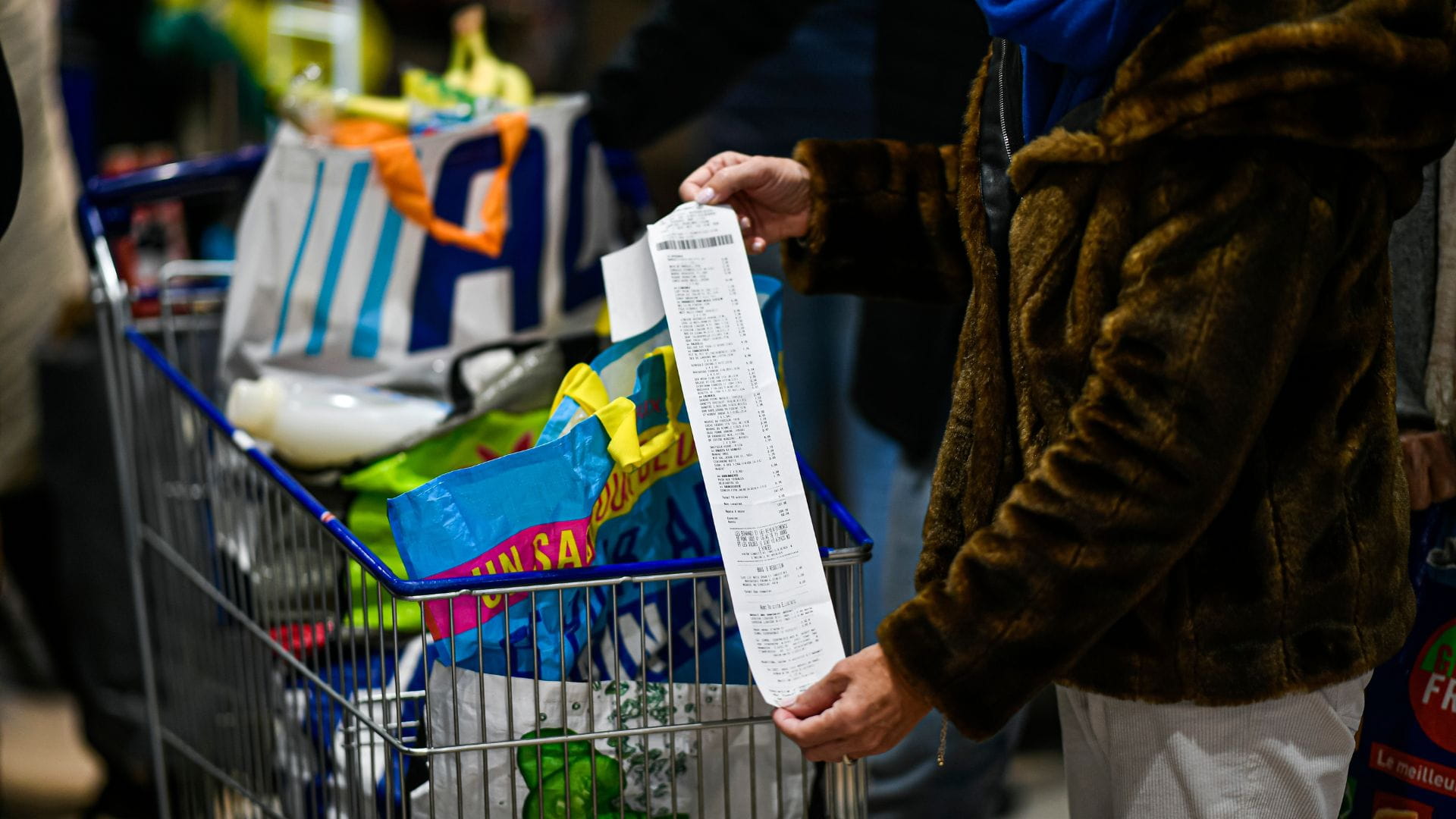
If your grocery bill already makes you wince, a new study offers a look at where things may be headed. Researchers writing in Earth Futures project that millions of people worldwide will likely spend half of their income on food by 2050, as populations and pressure on the world’s resources both grow. That works out to roughly $50 of every $100 earned going to food.
The team examined how access to food, water, and energy could play out worldwide over the next few decades. Study author Gi Joo Kim, Ph.D., told Newsweek in an email that earlier global change studies centered on future supplies of food, energy and water. Supply figures alone, he explained, do not show whether people can afford those resources or count on them being there.
That is why the team focused on human well-being and on how outcomes could differ across income groups. They also wanted to learn which combinations of future conditions create the greatest vulnerabilities, and they note that different areas will have different needs and different mixes of factors. The authors describe resource security as a matter of who has access to food, energy and water, and who controls them.
Who Feels It Most
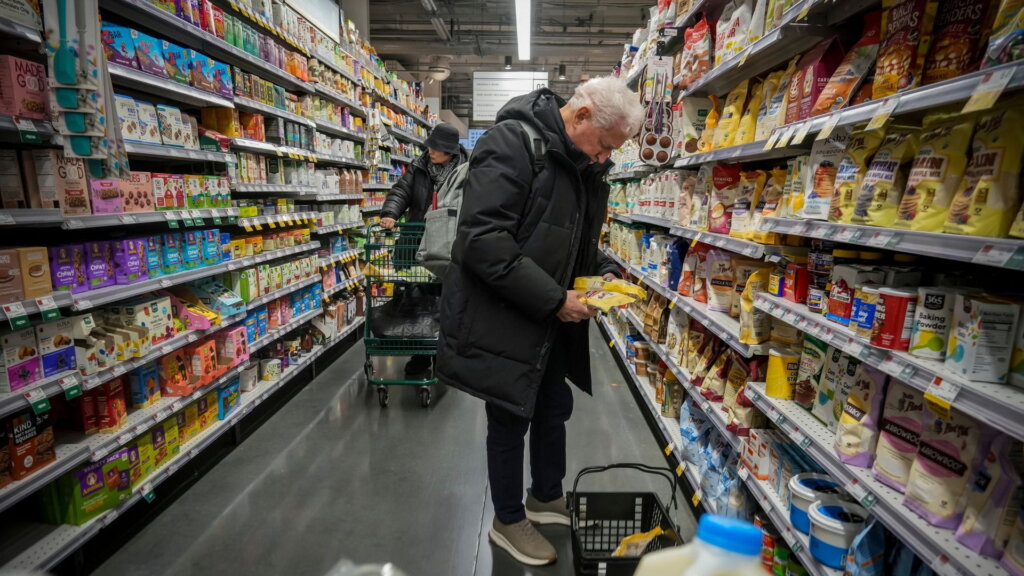
The people hit hardest are expected to be those with lower levels of income, the researchers found. Income plays a big part in the results, Kim said, but where someone lives, how land is used, what energy systems look like and how consumers behave all shape outcomes too. He added that policies need to account for those combinations and for how they affect different populations.
Southern Africa shows just how wide the gap can get. The study’s authors cited it as an example, projecting that food will likely take more than 49 percent of income for the poorest populations and roughly 5 percent for the wealthiest. In paycheck terms, that means more than $49 of every $100 earned goes to food for one group, and only about $5 for the other.
Food, energy, and water are bound together, both in how they are supplied and in who relies on them. Farming needs water, land and energy, and producing energy takes water, so a shift in one sector can change what things cost and how easy they are to get in another. Studying resource security as a whole helps keep those side effects from slipping past, the researchers say.
What It Looks Like Today

In the U.S., the pressure is already showing up for many people. A new Pew Research Center study released Oct. 14 found that close to half of Americans struggle to afford basic needs, with the rising cost of living still weighing on household budgets. That is a snapshot of right now, set against a forecast that runs all the way to 2050 and covers the whole world.
Among lower-income adults, nearly three-quarters said paying for food, housing, medical care or daily transportation was a struggle in the past year, versus 13 percent of upper-income adults. Black and Hispanic adults, women, young people and those without college degrees were also more likely to report financial challenges. Pew’s Juliana Horowitz said the groups more likely to have lower family incomes are consistently the ones struggling most.
Roughly half of lower-income adults said some of their bills went unpaid each month, and 77 percent of that group, or about three in four, said they lacked the money to cover three months of expenses in an emergency. Cutbacks reach Americans across income levels, too. In the past year, 51 percent of wealthier adults said they trimmed discretionary spending such as eating out and entertainment.
What Researchers Want Next
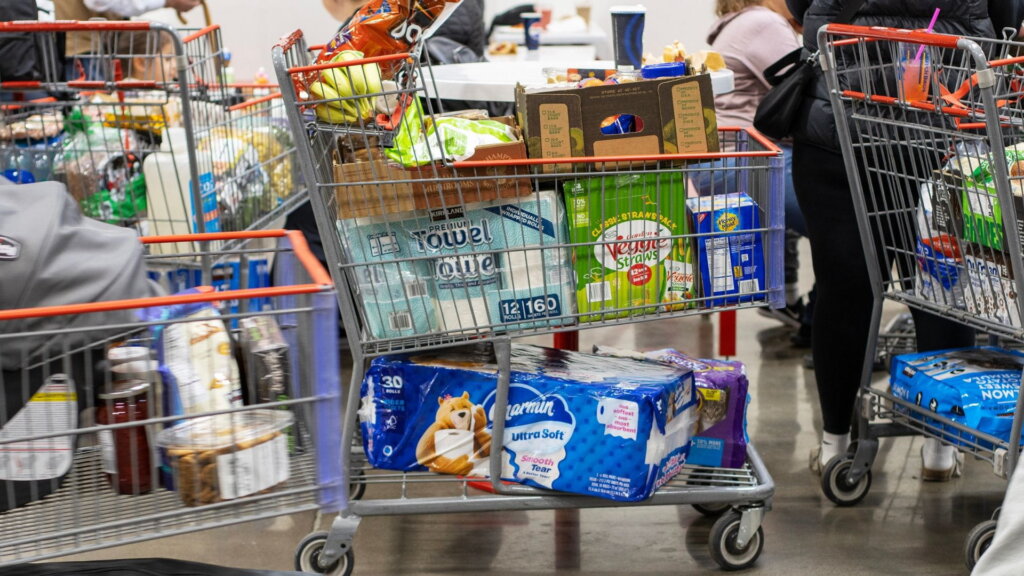
Kim says spending alone does not tell the whole story of how well people are doing. A small share of income going to food or energy does not necessarily mean someone is getting enough to eat or keeping their home at an adequate temperature. That is why he is calling for broader measures of well-being that go beyond what people spend on food and energy.
The measures he has in mind include dietary adequacy, dietary diversity, and unmet heating and cooling needs. His team already has work underway in that direction, and he hopes to share a follow-up paper in early 2027. Adding those layers would fill in what spending figures miss, such as whether households get enough variety in their diets or go without the heating and cooling they need.
Beyond that, Kim would also like other research teams to build on the team’s database, using it to compare scenarios across models and dig into individual regions. Ultimately, he said, that kind of work could help pinpoint policies that make life better for people across a wide range of possible futures. For anyone watching their grocery receipt closely, which of those futures arrives is still an open question.
