




Products are selected by our editors, we may earn commission from links on this page.
James Harrison wasn’t a celebrity, a politician, or a billionaire — yet his quiet actions rippled across generations, saving lives in ways few could imagine. Born in a small Australian town and shaped by an early brush with death, James would go on to make a decision that forever changed medical history. This is the story of how one man, one promise, and one arm left an unforgettable mark on the world.
Humble Beginnings
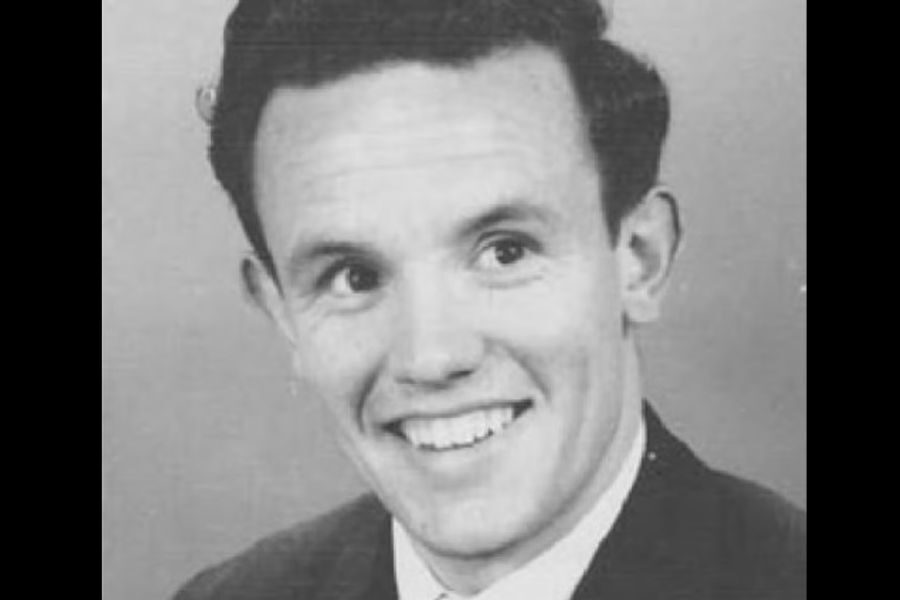
James Christopher Harrison was born on December 27, 1936, in the quiet town of Junee, New South Wales, to parents Peggy and Reginald Harrison.
His early years were marked by simplicity and calm — a typical small-town childhood filled with modest routines, gentle days, and the comforting presence of a close-knit family. Like his father, he worked for the railways.
Yet, as he entered adolescence, unforeseen challenges emerged. These trials, though daunting, would ultimately set the stage for a legacy that touched the lives of millions.
A Life on the Line
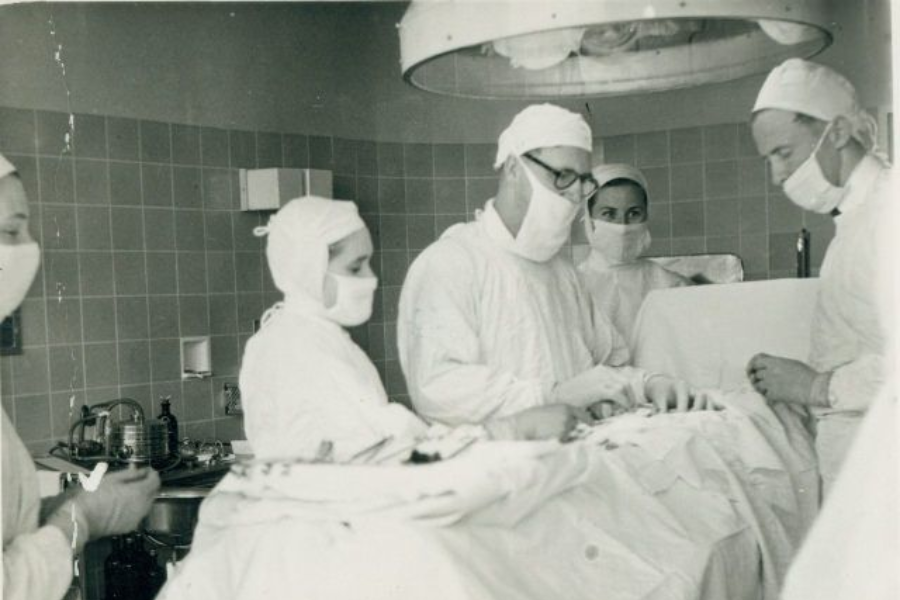
At the age of 14, James’s peaceful childhood came to a sudden halt when he required an urgent and highly invasive chest surgery to survive.
The operation was both complex and dangerous, and for weeks, uncertainty loomed. Doctors weren’t sure if he would recover, let alone return to a normal life.
His family hoped for a miracle. What none of them knew then was that this terrifying ordeal would plant the seed of another.
Recovery, Stitches, and Strength
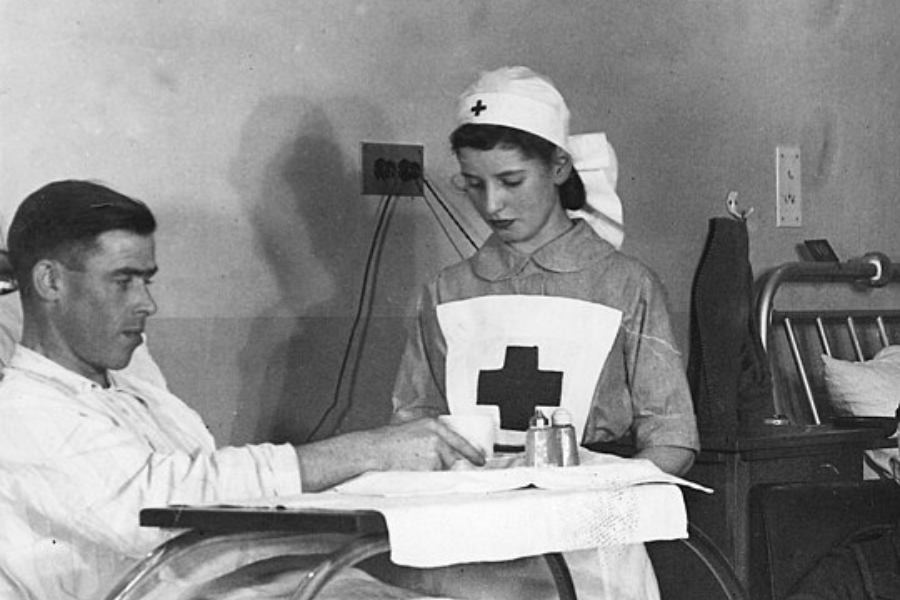
The aftermath of James’s surgery was nothing short of brutal. One of his lungs had been removed, and the road to recovery was long and uncertain.
He spent over three months in the hospital, stitched together with nearly 100 sutures and kept alive thanks to more than six litres of donated blood.
It was a grueling period, both physically and emotionally, but it also sparked a quiet gratitude — and a life-changing awareness of just how vital blood donors are.
A Promise Made in a Hospital Bed
As young James lay recovering, he wasn’t just healing physically. Something far deeper was stirring in him. Despite the pain and the stitches, he had a moment of clarity.
His life had been saved not just by scalpels and sutures, but by strangers — generous, anonymous people who gave blood so he could have a second chance.
Years later, he would explain it simply but powerfully: “I was always looking forward to donating, right from the operation, because I don’t know how many people it took to save my life.” That moment became a quiet vow — a promise that would shape the rest of his life.
Life, Love, and a Promise Waiting
Eventually, James walked out of the hospital, stitched up but standing, leaving behind months of pain with a quiet strength that never really left him.
As life picked up pace, he met Barbara Lindbeck — a teacher with a kind heart — during his teenage years. She would become his wife, his partner, and his greatest supporter until her passing in 2005.
He took a steady job as a clerk with the regional railway authority, built a simple life, but one thought never left him: when he turned 18, he would give back.
The First Drop
In 1954, the moment James had been waiting for finally arrived. At 18, he rolled up his sleeve and made his very first blood donation.
It wasn’t just a medical act — it was deeply personal. With that one needle, he began repaying a silent debt to the strangers who had saved him.
Becoming a donor meant joining their invisible ranks. For James, it was a proud, emotional moment — one that marked the beginning of a lifelong mission to pay kindness forward.
Courage Over Fear
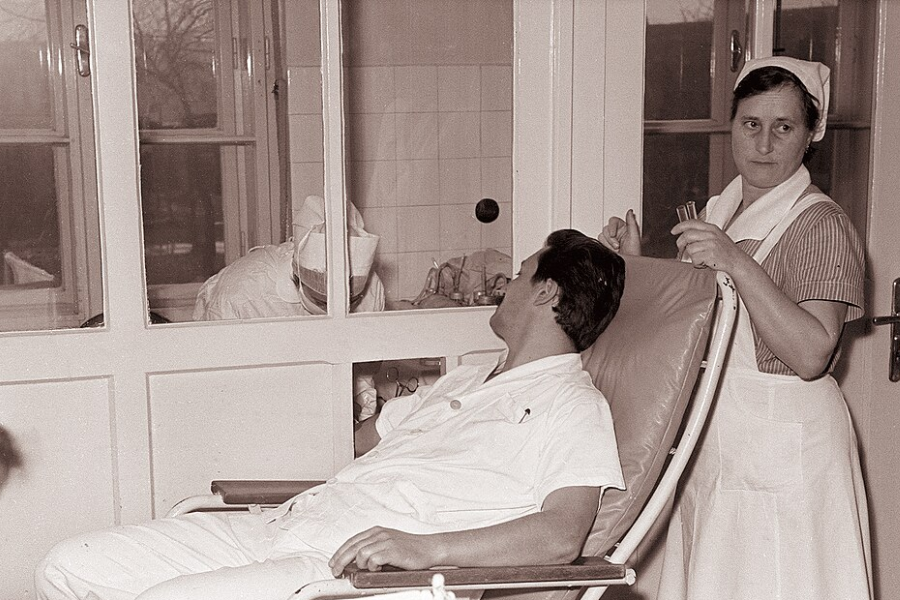
Many years later, in a candid interview, James confessed something unexpected: as a young man, he was absolutely terrified of needles — and for good reason.
After surviving major surgery as a teen, it’s no surprise that needles brought back some less-than-pleasant memories. But when he turned 18, he made a decision.
He wasn’t about to let fear derail his mission. “I just rolled up my sleeve and looked the other way,” he said. And thank goodness he did — millions would one day owe him everything.
No Distance Too Far
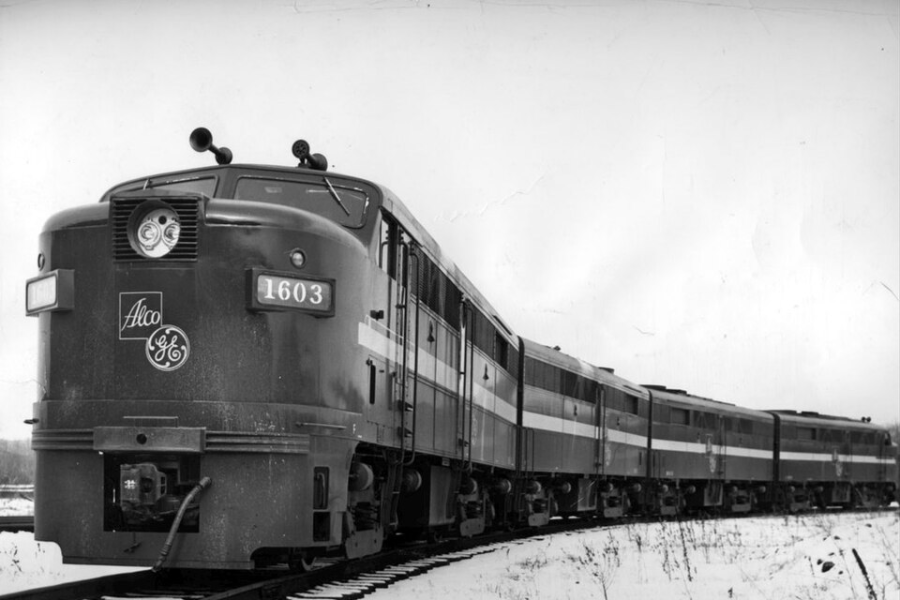
James lived on the Central Coast of New South Wales, far from the nearest blood donation centre — but distance meant nothing to him. That didn’t stop him.
For more than ten years, every two weeks, he boarded a train to Sydney. A multi-hour journey just to give a part of himself — no complaints, no fanfare.
He’d roll up his right sleeve, glance politely in the other direction, and let the needle do its work. Routine for him, lifesaving for countless strangers.
A Quiet Hero, A Hidden Gift
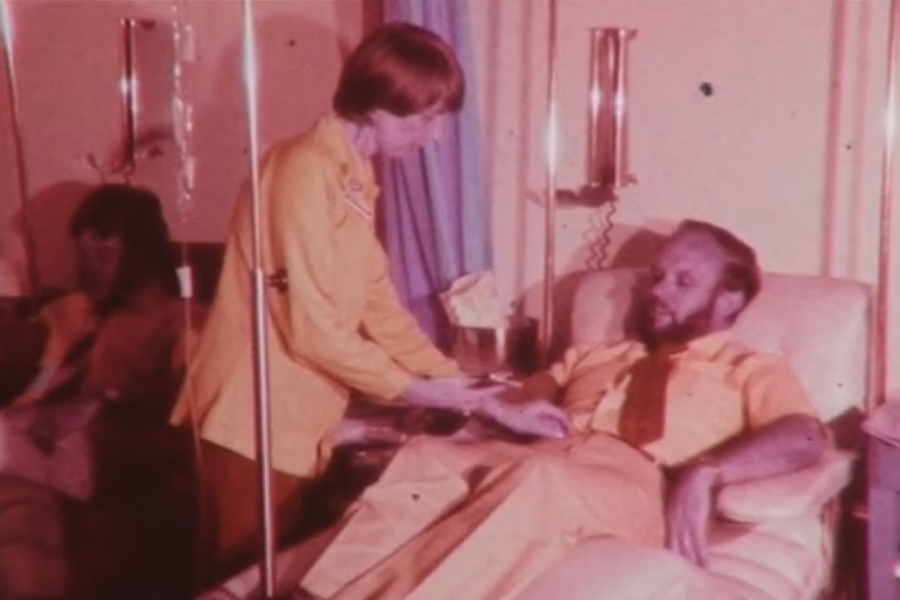
For years, James faced down his fear of needles and the long train rides — all to keep his word and quietly serve his community.
What began as a personal mission became a steadfast ritual, one quiet act of generosity at a time. He asked for nothing, expected no spotlight.
But in 1967, something extraordinary was discovered — something hidden within James himself. And with it, his quiet commitment was about to take an unexpected and world-changing turn.
A Mystery of Life and Death
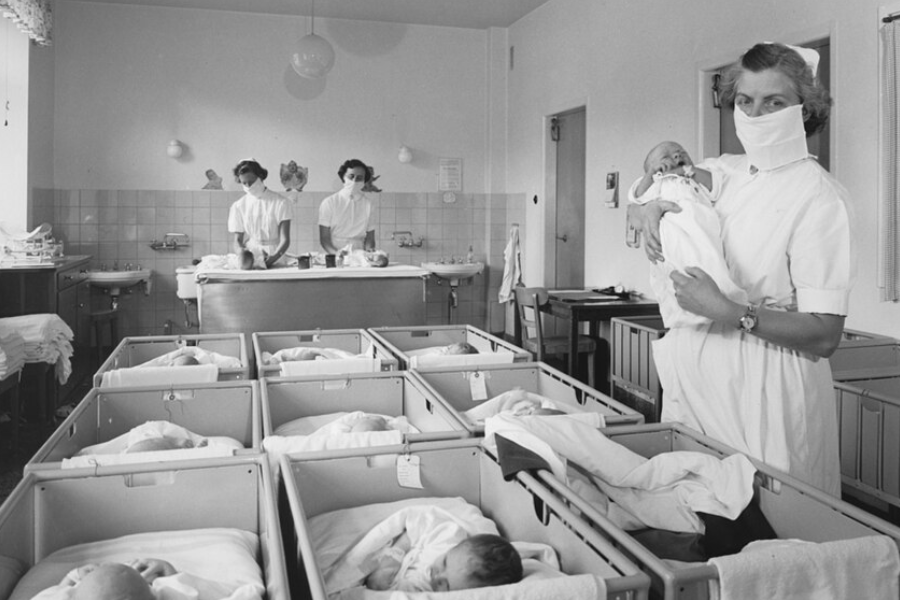
What James didn’t know is that, during the 1960s, Australia was battling a heartbreaking medical mystery — one that was stealing the lives of thousands of newborns each year.
Some babies were stillborn, others suffered severe brain damage. The cause? No one knew. The grief was widespread, and families were left without answers or hope.
Determined to find the cause, the government poured resources into urgent research. Eventually, doctors uncovered the culprit: a silent but deadly condition called Rhesus disease.
The Race to Stop Rhesus
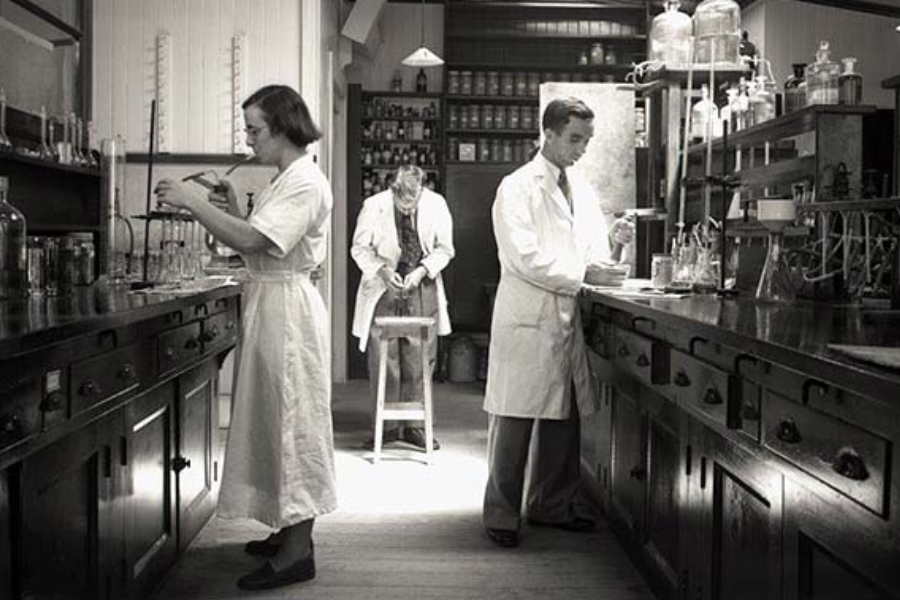
Rhesus disease starts with a mismatch in blood types — when a mother with Rh-negative blood is carrying a baby with Rh-positive blood.
Her body sees the baby’s blood as foreign and starts attacking it, like it’s fighting off an infection. The result? Devastating. Babies were being born sick, brain-damaged, or not at all.
Doctors knew they had no time to waste. With every passing day, more lives were at risk. So they threw everything they had into finding a way to stop it.
Looking for Answers
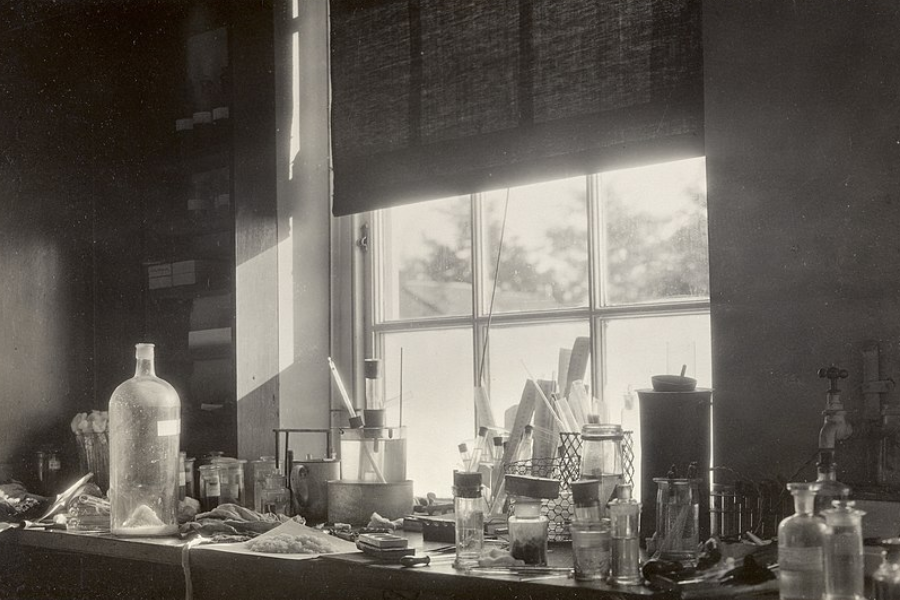
Doctors kept at it, trial after trial, trying to find something — anything — that could stop Rhesus disease from taking more tiny lives. It was slow, difficult work.
But then came a breakthrough. The answer wasn’t in some new medicine or high-tech machine. It was in plasma — specifically, rare antibodies found in certain donors.
So the question became: where could they find it? In a country of just 10 million people, the search began with a logical first step — combing through blood donor records.
The Endless Search
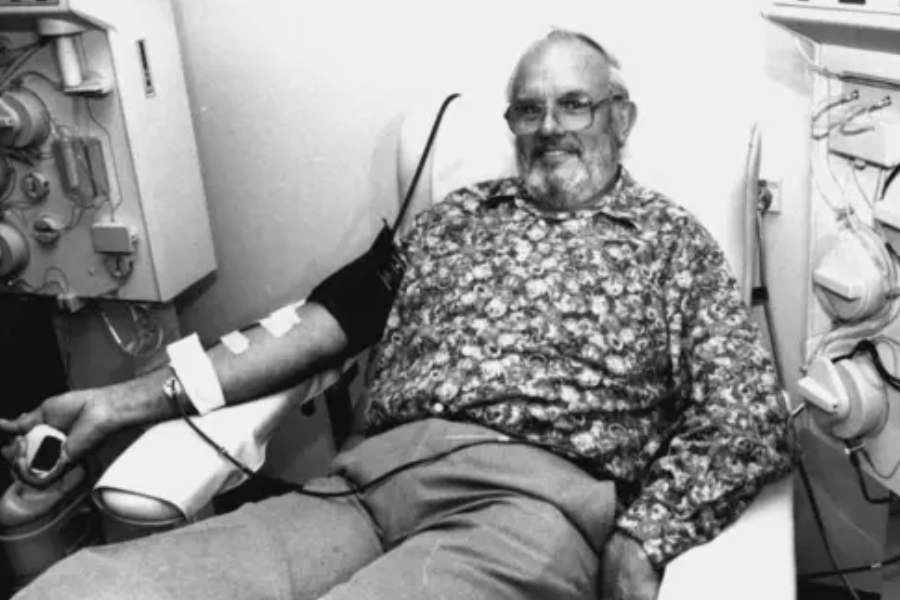
Day after day, scientists sifted through donor records and tested blood samples by hand, chasing the faint hope of finding the antibodies they needed.
Thousands of names were checked, thousands of samples examined. Each one brought the same disappointing result — no match, no breakthrough, just more waiting.
And then, after what must have felt like an endless string of dead ends… came James Harrison.
The Blood That Fought Back
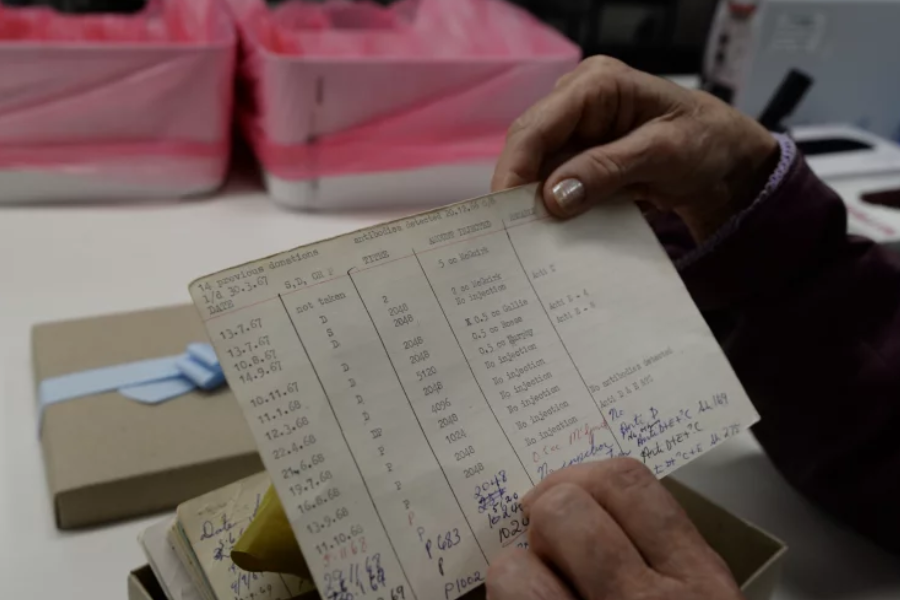
When doctors tested James’s blood, they found something incredible: it was packed with powerful antibodies against the D Rh group — the very thing they were hunting.
These antibodies could be used to create a treatment to prevent rhesus disease in newborns, offering hope where there had only been heartbreak.
But that wasn’t all. James wasn’t just carrying these rare antibodies — his body was naturally producing them, over and over again. A medical mystery, and now, a medical marvel.
A Call from the Nation
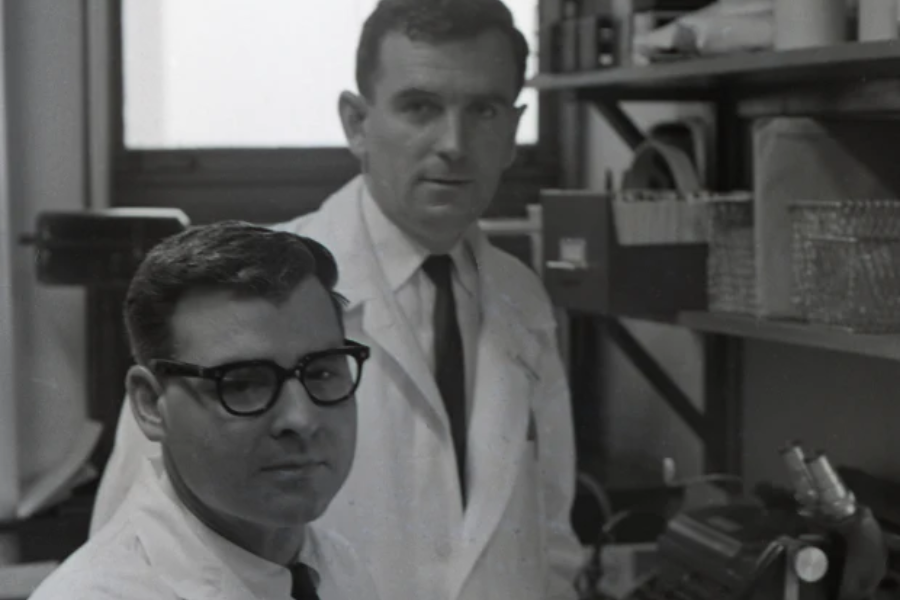
Once the discovery was made, everything changed. James’s blood wasn’t just rare — it was essential. Australia didn’t merely ask for his help. It pleaded.
Health officials reached out with urgency and respect. Would he be willing to continue donating? To work alongside doctors in developing a potential cure?
The request was enormous. The stakes were high. And as the country held its breath, all eyes turned to the man with the rarest blood in the land.
A Promise Fulfilled
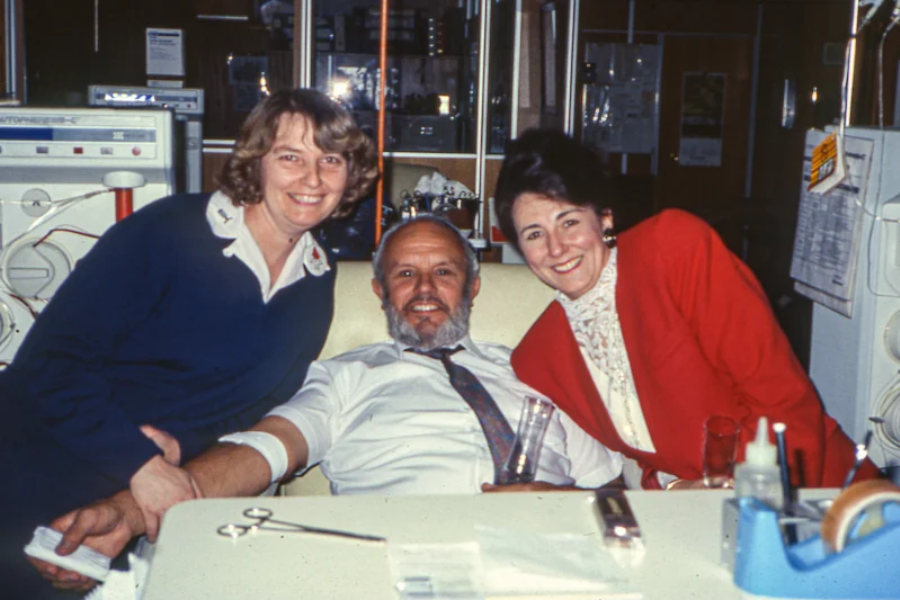
James didn’t hesitate — not for a second. He had started donating blood to give back, to help strangers, to honor those who once helped him.
Now, he had the chance to make that impact even greater. Joining this new program wasn’t a detour — it was the next step in keeping his promise.
And so, in 1969, James became one of the founding donors of the New South Wales Rh Program — one of the first of its kind in the world. He never looked back.
Nothing Could Stop Him
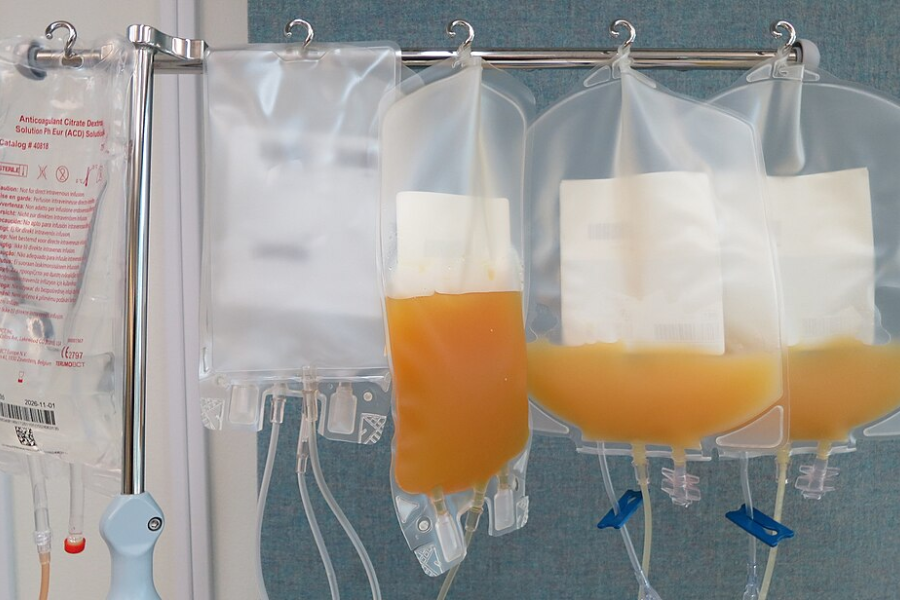
James had always been committed to blood donation, but after joining the Rh Program, his dedication shifted into overdrive — it became a life mission.
He adjusted everything around it. Work schedules, travel plans, holidays — all bent to accommodate his fortnightly trips to the donor centre, no matter what was happening.
“Nothing could stop him. He lobbied his workplace for the time. He found places to donate when he and his wife Barbara went caravanning… you always knew James would be in the donor centre, joking with the nurses, and brightening everybody’s day,” said Jemma Falkenmire of the Australian Red Cross Lifeblood.
A Legacy in Every Dose
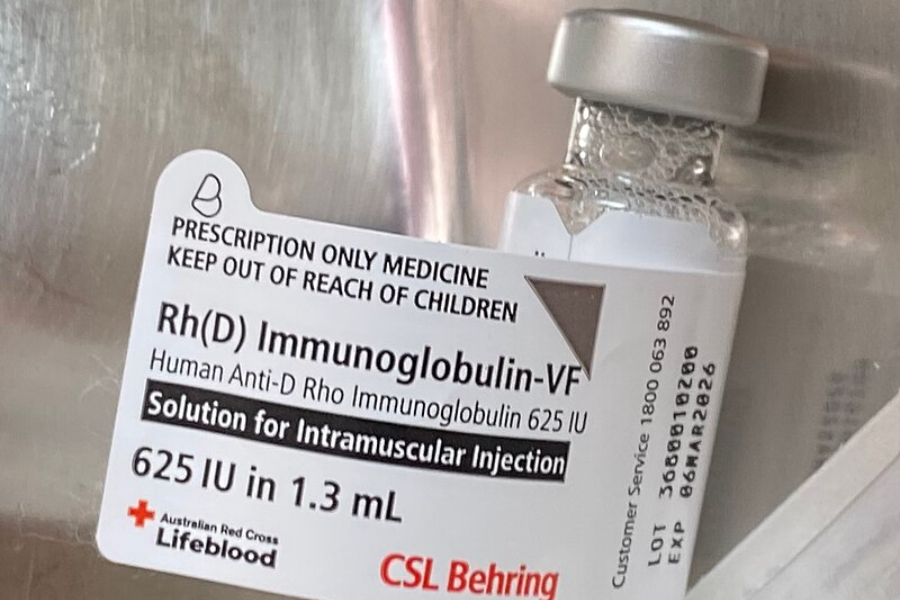
Thanks to the dedication of James and his fellow donors in the New South Wales Rh Program, millions of doses of anti-D were created over the years.
These doses weren’t just numbers — they meant healthy babies, spared heartbreak, and thousands of families saved from the grief of stillbirth, illness, or lifelong disability.
James’s contributions were enormous. His donations alone accounted for tens of thousands of doses and were part of every single batch of anti-D made in NSW. Every dose carried a piece of his promise.
The Origin of a Lifesaver
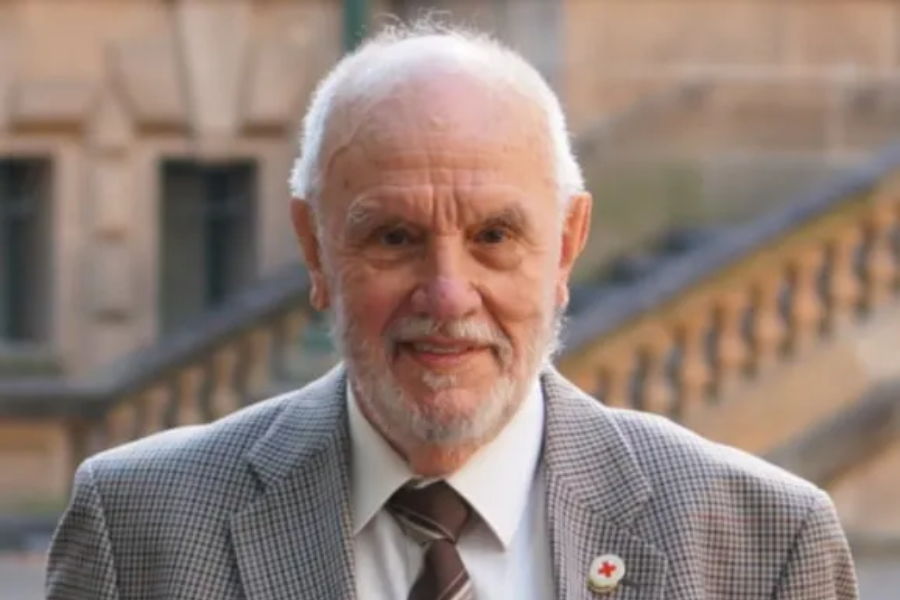
So what made James’s blood so special? How did one man end up with something millions would come to rely on? Well, doctors have a theory.
It’s believed that James developed unusually high levels of anti-D antibodies after receiving multiple blood transfusions during his major lung surgery.
In other words, the very act that saved his life may have also given him the power to save millions more. A twist of fate — and a gift science still finds extraordinary.
Bit by Bit, a Hero
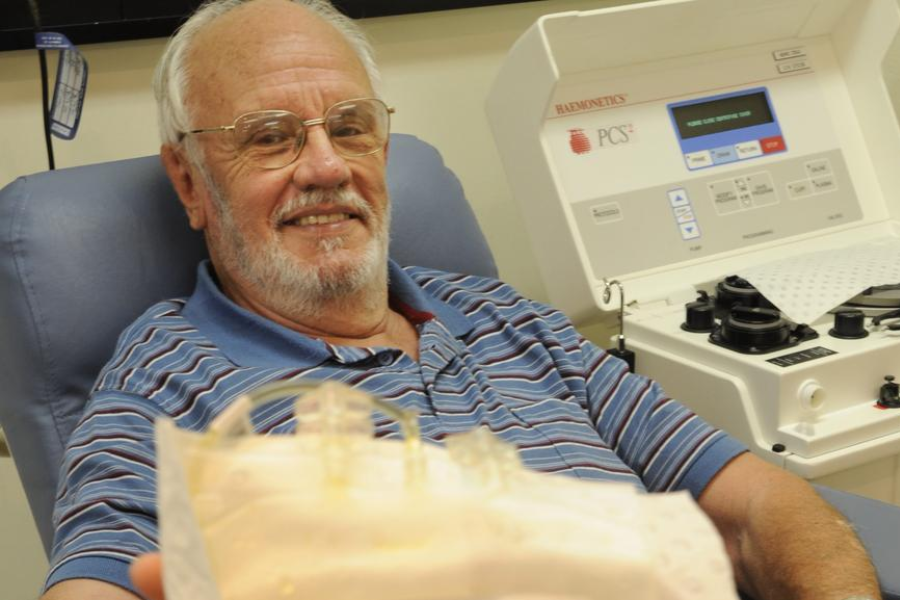
“It wasn’t one big heroic act,” said Jemma Falkenmire, spokeswoman for the Australian Red Cross Lifeblood, reflecting on James’s astonishing 64-year donation streak from 1954 to 2018.
“It was just a lifetime of being there and doing these small acts of good bit by bit.” No spotlight needed — just quiet, unwavering dedication.
Over the years, James occasionally met some of the women his donations had helped. But two of them stood out — not strangers at all, but deeply connected to his own life.
A Father’s Gift, Twice Over
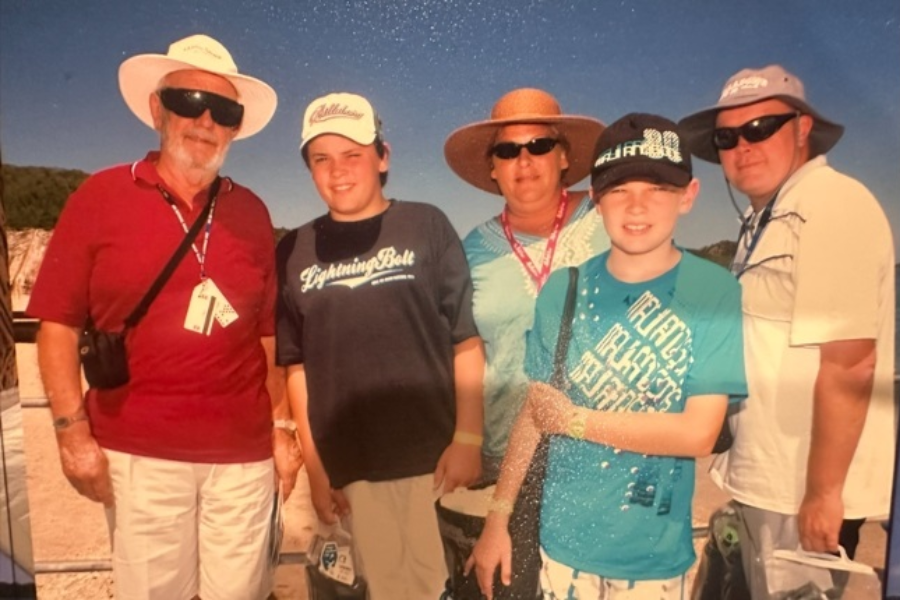
In an extraordinary twist of fate, James’s life-saving generosity didn’t just help strangers — it ended up protecting his own family in the most personal way.
His daughter, Tracey, received injections made from James’s blood while pregnant with her second child, Scott. That same rare antibody, now part of her care plan.
The man who donated to help millions unknowingly saved his grandson before he was even born. A quiet promise to give back had come full circle — straight to his own family.
A Legacy in the Bloodline
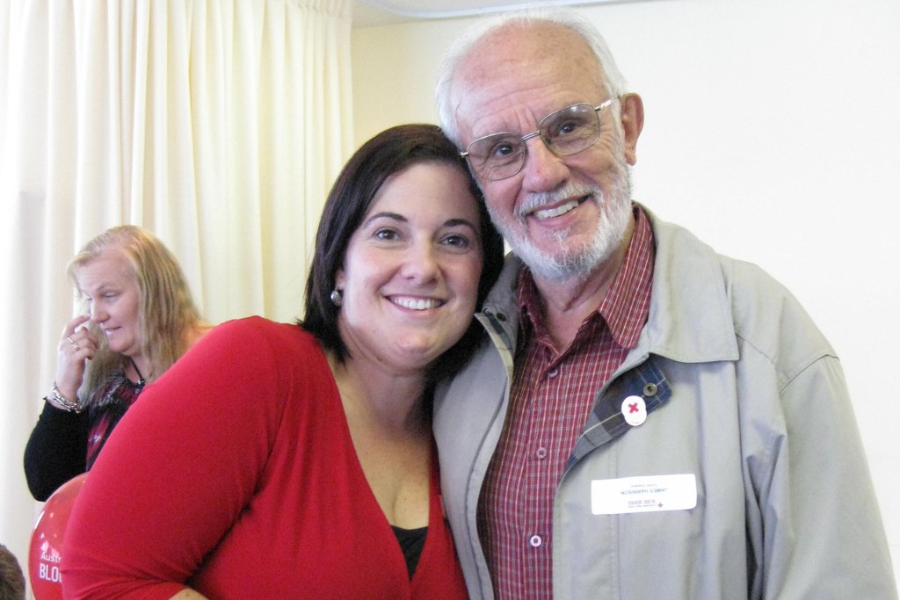
James’s impact didn’t stop with his daughter or even his grandson — it stretched further, into the next generation of his own family tree.
Rebecca, the wife of Jarrod, James’s other grandchild, also received injections during her pregnancies, meaning James’s rare blood helped protect his great-grandchildren before they ever entered the world.
“It’s pretty cool that part of him went into Mum and got me a brother, then protected my kids [and] his great-grandkids,” Jarrod said. Few legacies run this deep — or this literally through the veins.
A Nation Says Thank You
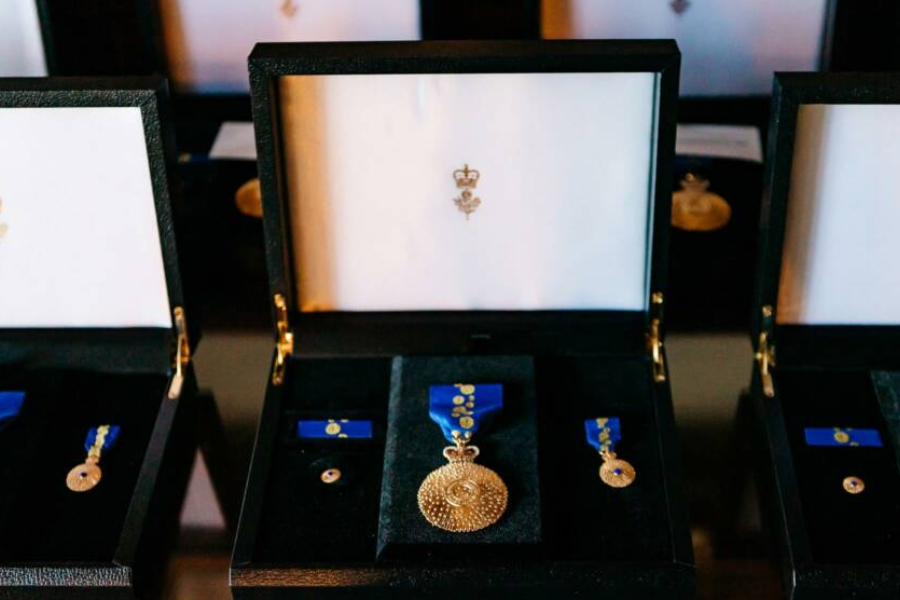
Over the years, word of James’s extraordinary commitment began to spread. He never sought attention, but his quiet heroism was too powerful to ignore.
In 1999, two decades after joining the Rh Program, James was awarded the Medal of the Order of Australia — one of the nation’s highest civilian honors.
The medal recognizes outstanding service to the community, and James more than earned it. His kindness left a legacy few could match — and he issued a challenge to the Australian public: try to beat it.
A Record Meant to Be Broken
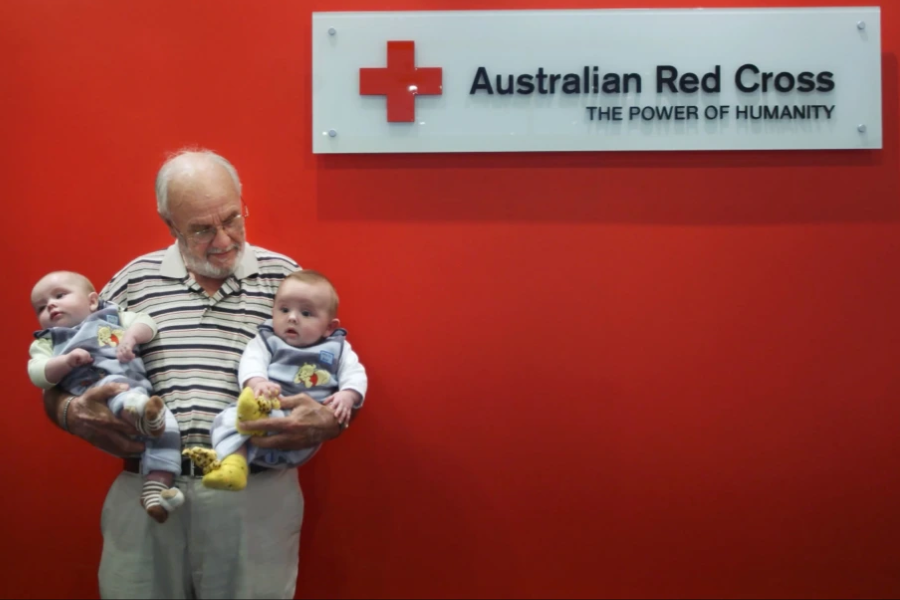
The Medal of the Order of Australia wasn’t the end of the applause. In May 2011, James hit a jaw-dropping milestone: his 1,000th blood donation.
That’s right — 1,000 donations over 57 years. To pull it off, he had to average one donation every three weeks, without fail, for more than half a century.
Reflecting on the achievement, James said humbly, “I could say it’s the only record that I hope is broken, because if they do, they have donated a thousand donations.” A record built on hope — and meant to inspire.
A Voice for Donors
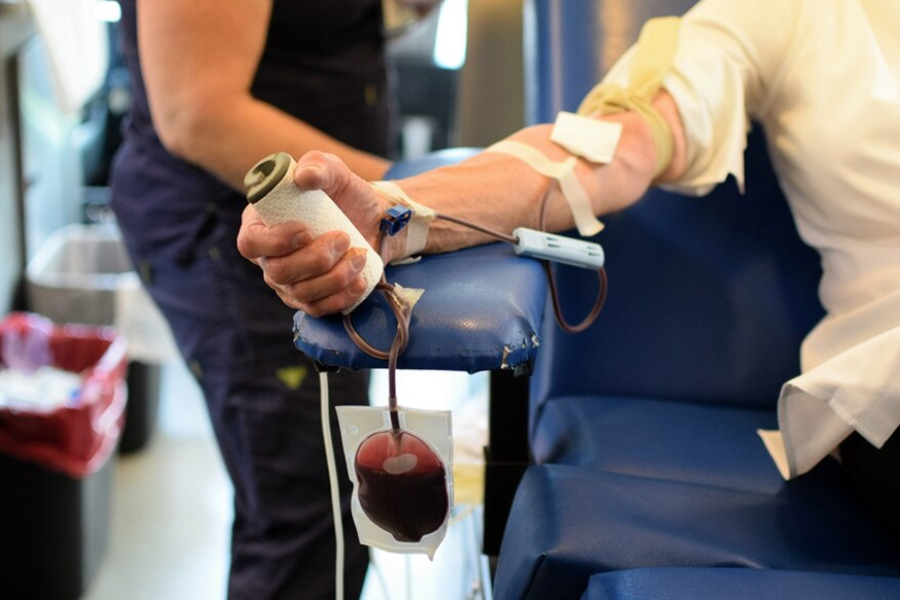
Even as his fame grew, James never stopped advocating for what he believed in — especially when it came to protecting the spirit of voluntary blood donation.
In 2007, he publicly criticized plans to open Australia’s plasma donation system to foreign corporations, arguing it would discourage everyday Aussies from donating freely.
He didn’t just donate — he defended the values behind it. In 2011, that dedication earned him a nomination as a New South Wales Local Hero in the Australian of the Year awards. Quiet hero? Maybe. But never silent.
A Man of Principle
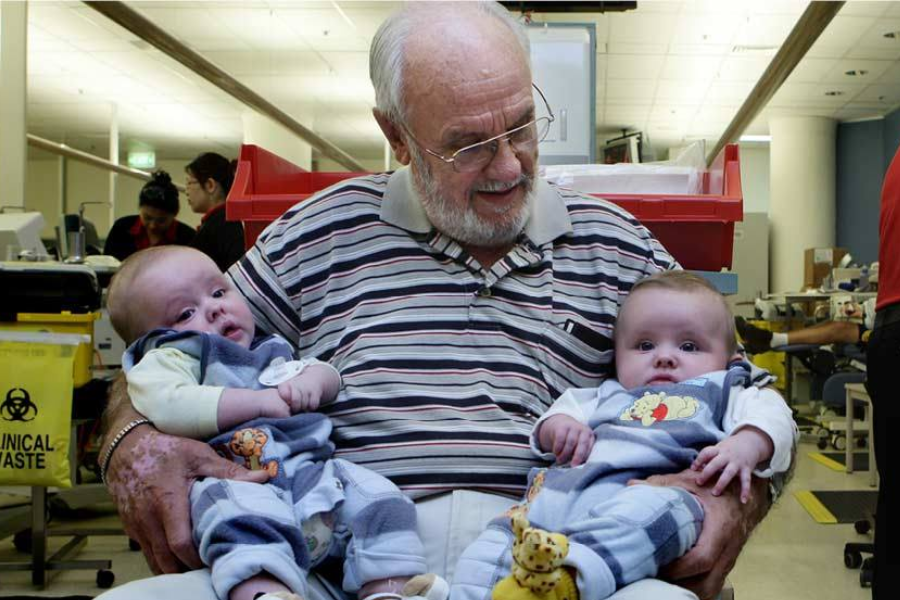
Despite his national recognition, James never chased the spotlight — in fact, he often dodged it. Politicians came calling, and he politely declined their offers and photo ops.
“My grandfather had a strong belief that being a donor was the right thing to do, and so he stuck to it. He was a man of principle,” said his grandson, Jarrod Mellowship.
He turned down gifts, declined invitations to tea with officials, and avoided fuss. What he loved was people — his friends, his clubs, his community. Caring wasn’t his side project; it was who he was.
Quiet Encouragement
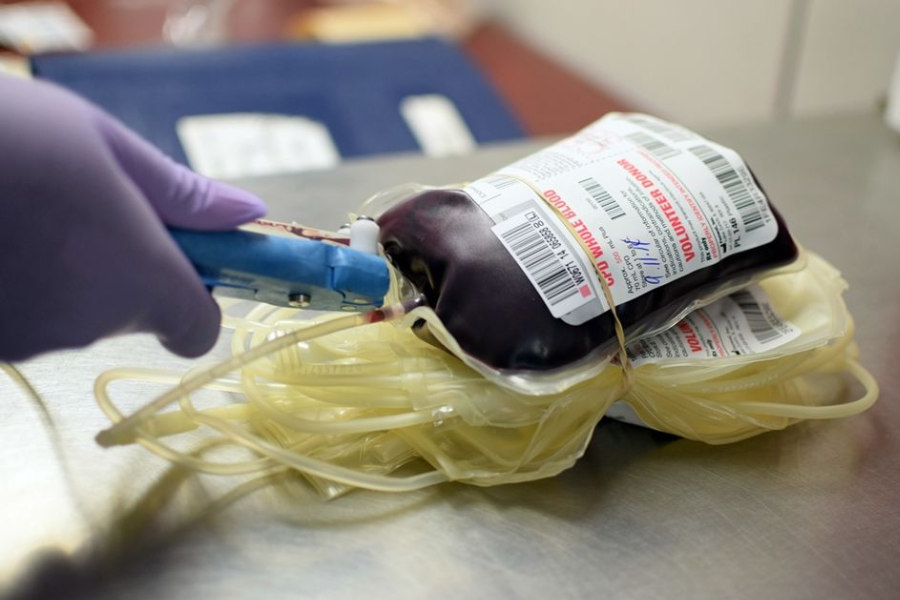
James never sought praise or recognition. Instead, he turned the spotlight on others — especially new donors finding their way into the fold.
“He would walk up to people who were donating for the first time and congratulate them,” recalled Ms. Falkenmire. “He told them they were important and special — without revealing anything about his own donations.”
It wasn’t an act. It was just who he was — humble, encouraging, and deeply committed to making others feel like heroes, even as he quietly became one himself.
The Man with the Golden Arm
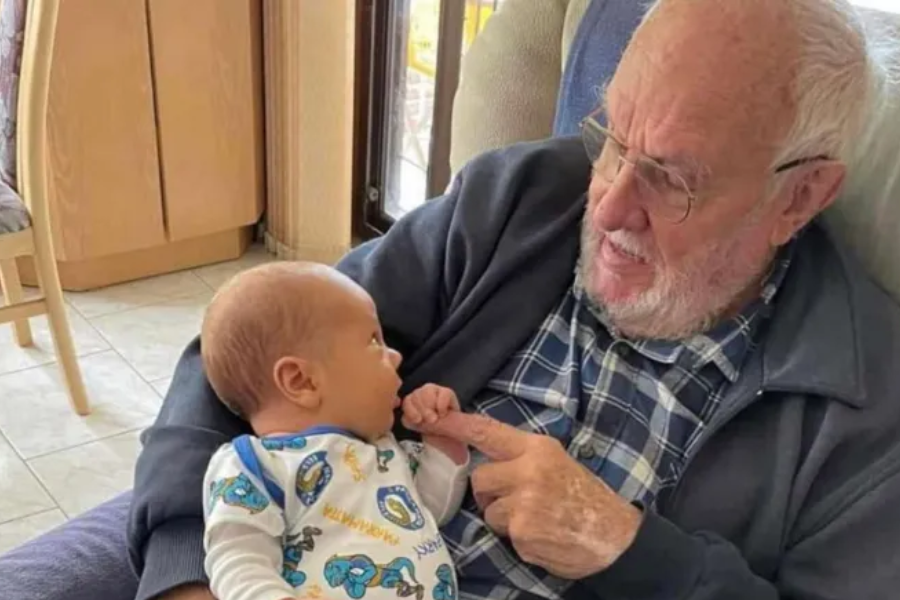
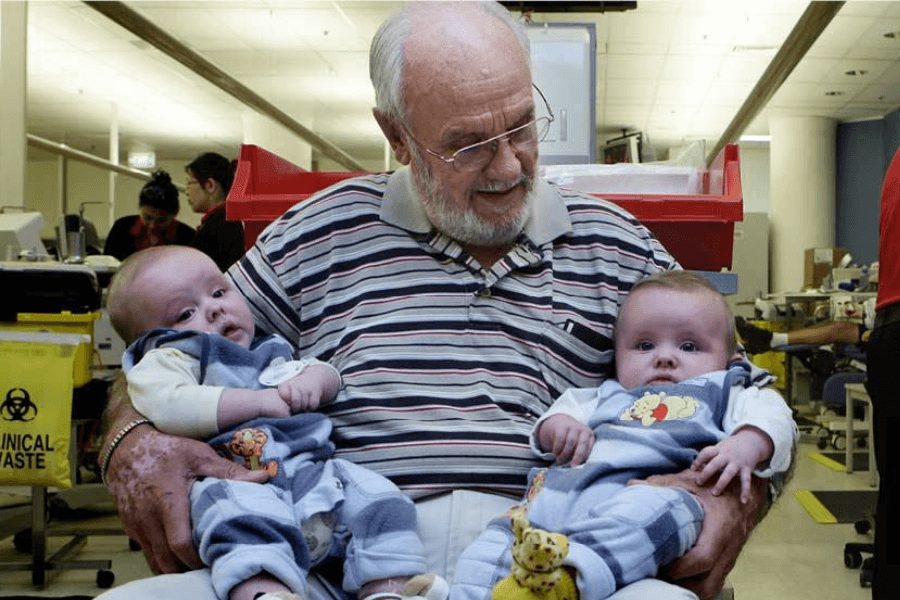
Over the course of 64 years, James rolled up his sleeve an astonishing 1,173 times — a feat that earned him the nickname “the Man with the Golden Arm.”
It wasn’t just a title; it was a testament to decades of unwavering dedication, and a body that kept producing life-saving antibodies like clockwork.
He would have continued donating without pause, but eventually, time caught up with him.
A Reluctant Farewell
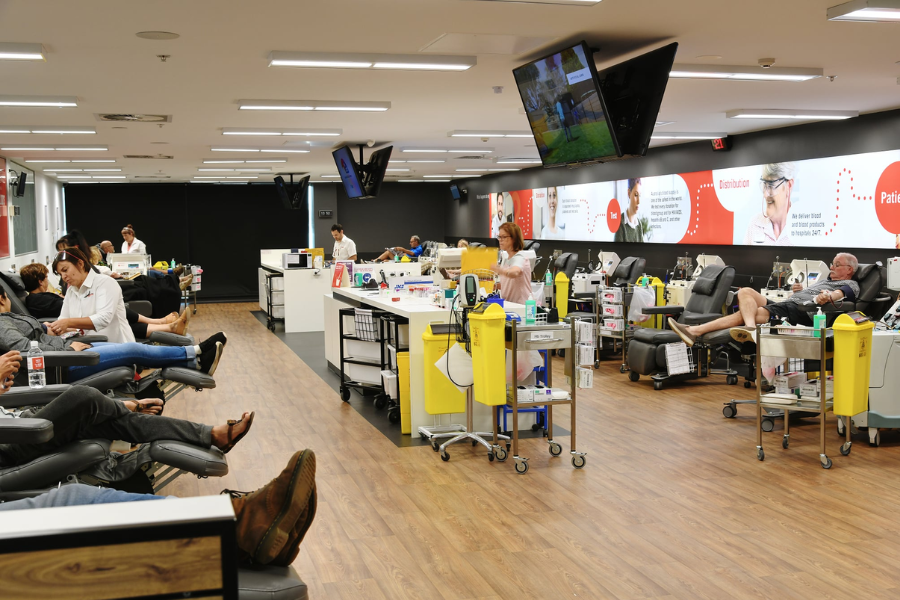
Over the decades, James’s antibodies helped create a staggering 2.4 million doses of anti-D immunoglobulin — protecting babies, supporting mothers, and saving lives across generations.
But if James had his way, that number would’ve kept climbing. He was more than willing to keep donating — his mission hadn’t changed one bit.
Unfortunately, Australia’s regulations said otherwise. Under national health guidelines, blood and plasma donations are not allowed from anyone over the age of 81, no matter how fit or willing.
The End of an Era
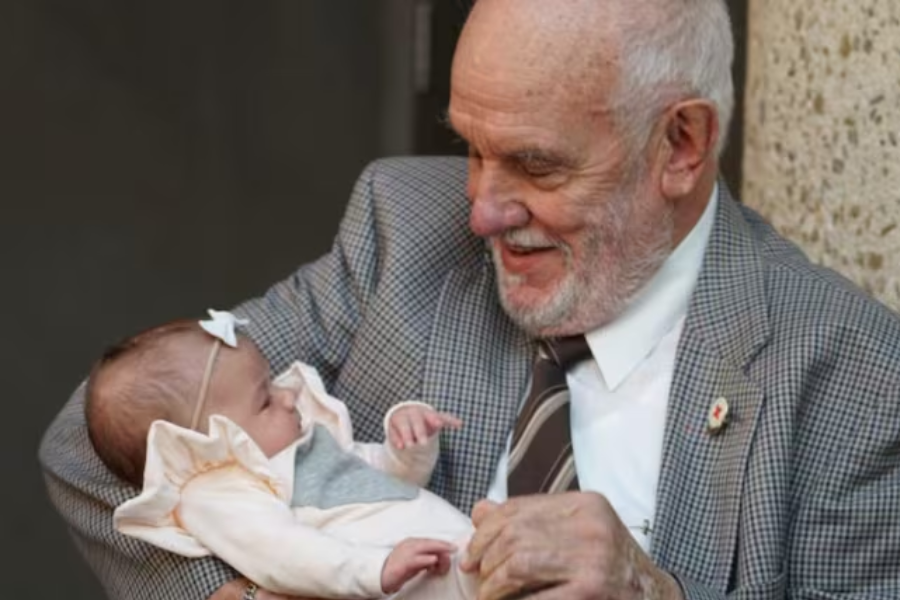
When James was told he could no longer donate, it wasn’t just the end of a routine — it was the end of something deeply personal.
For over six decades, donating had been woven into the fabric of his life. It wasn’t just something he did — it was who he was.
“James was heartbroken when they told him he could not keep going. It was such a core part of who he was; he loved being a donor and he loved spreading the word about donation,” recalled Falkenmire.
One Final Sleeve Rolled Up
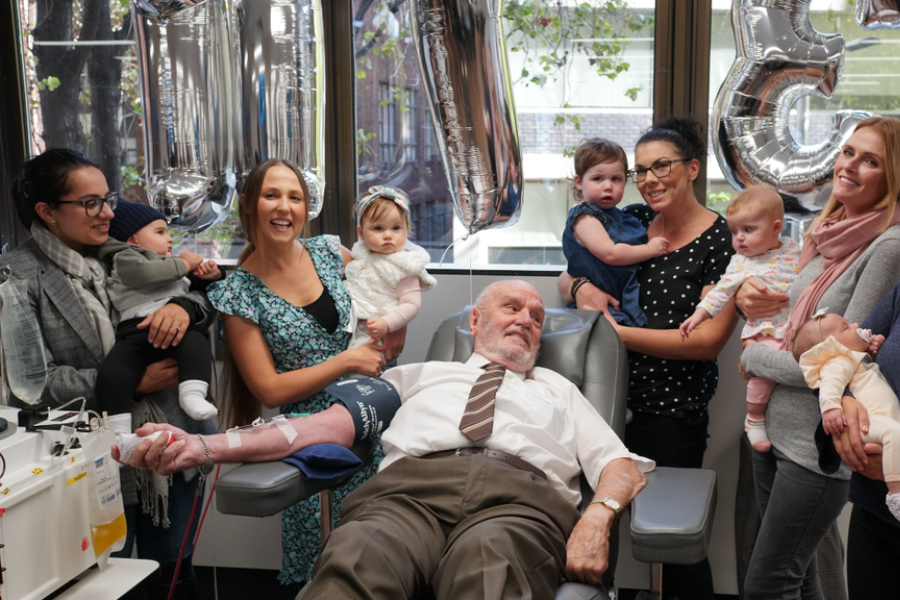
On Friday, May 11, 2018, James Harrison made his final donation. At 81 years old, he rolled up his sleeve one last time — just as he had done for decades.
But this time was different. This time, he wasn’t alone with a nurse and a needle. He was surrounded by the people whose lives he had touched.
Mothers. Babies. Families. Some of the very lives his rare blood had helped save stood beside him — a living, breathing tribute to one man’s quiet, lifelong promise.
A Humble Goodbye
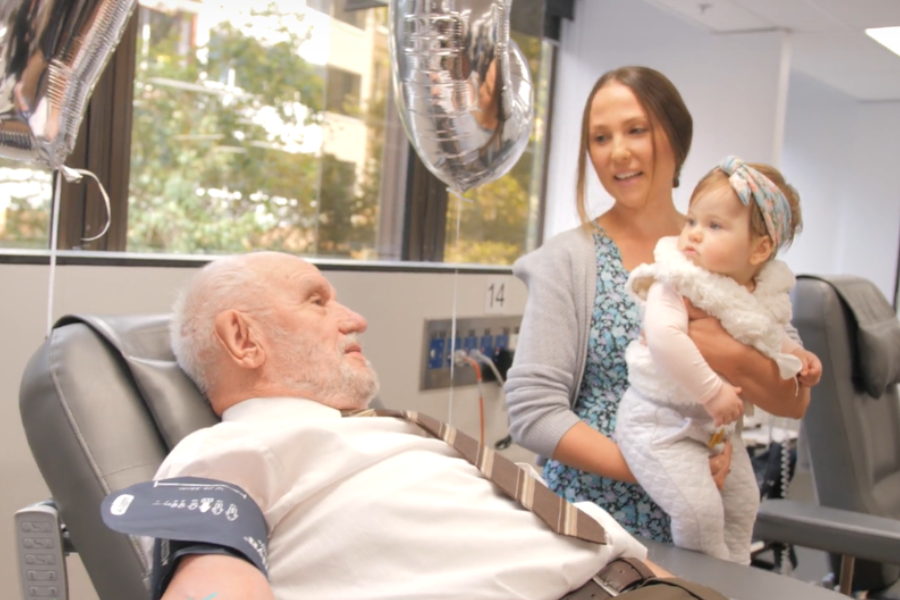
After his final donation in 2018, James stepped away from the chair for the last time — emotional, reflective, and still as humble as ever.
Facing the cameras and the weight of his legacy, he offered a simple but powerful sentiment about the impact of his life’s work.
“Saving one baby is good,” he said. “Saving two million is hard to get your head around, but if they claim that’s what it is, I’m glad to have done it.”
A Well-Earned Rest
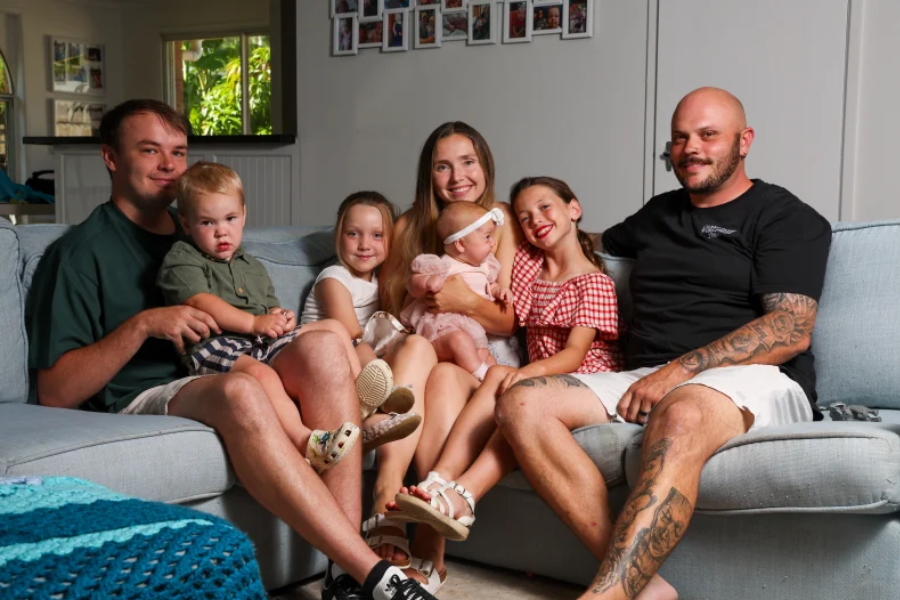
After his final donation, James quietly stepped back from public life, trading hospital chairs and media interviews for the peace of home and family.
For the last seven years of his life, he focused on his own well-being — a calm, private chapter surrounded by his daughter, grandchildren, and great-grandchildren.
His mission was complete. After a lifetime of giving, saving, and quietly changing the world, James could finally rest — knowing he had already given everything that mattered.
“James in a Jar”
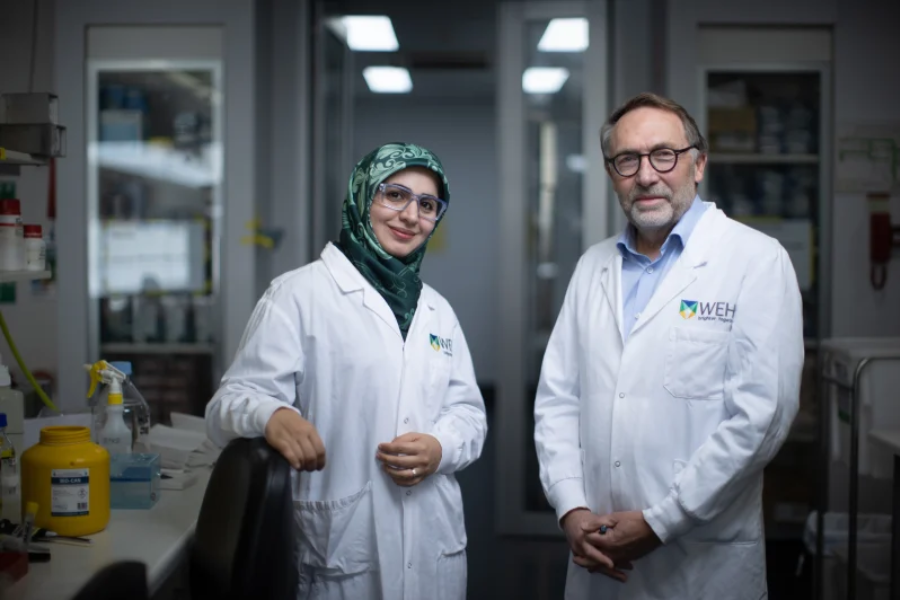
After James retired from donating, researchers didn’t just pack up and move on — they began working on a scientific tribute worthy of his legendary contributions.
For years now, scientists have been developing a synthetic version of his unique anti-D antibodies, affectionately nicknamed “James in a Jar.”
It’s a lighthearted name for a serious achievement — and a fitting homage to a man whose blood saved millions. Because if anyone deserves to live on in science, it’s James.
A Legacy That Lives On
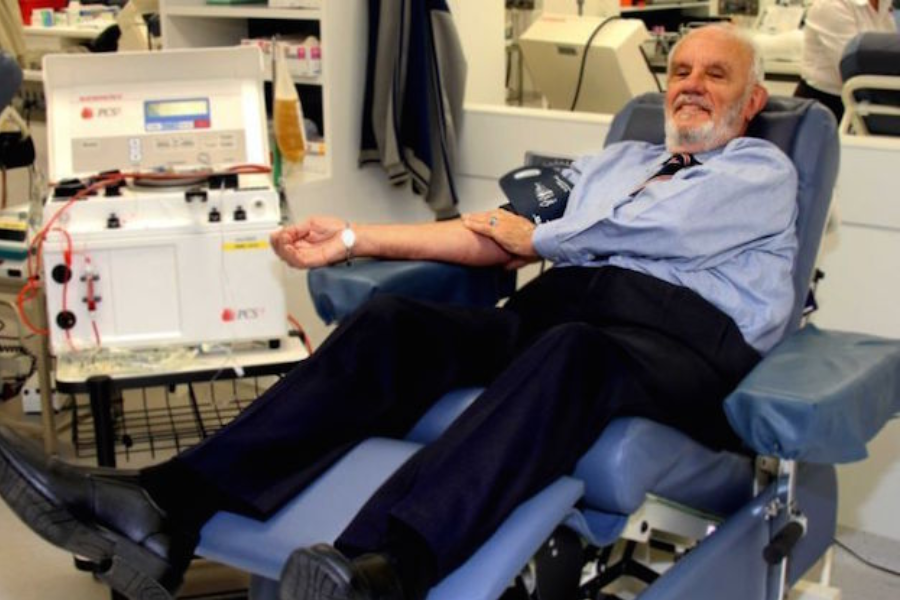
James Harrison passed away peacefully in his sleep on February 17, 2025, at the age of 88. There were no headlines shouting, no flashing lights — just the quiet end of an extraordinary life.
News of his death sent ripples across Australia and far beyond. People mourned not just the man with the “golden arm,” but the humble, kind-hearted soul who turned a teenage trauma into a lifelong gift to humanity.
His legacy lives on in the millions of babies he helped save, the science he inspired, and the quiet kindness he championed. We can only hope there are more like him out there — ordinary people with extraordinary compassion, ready to make the world a little better, one small act at a time.
