


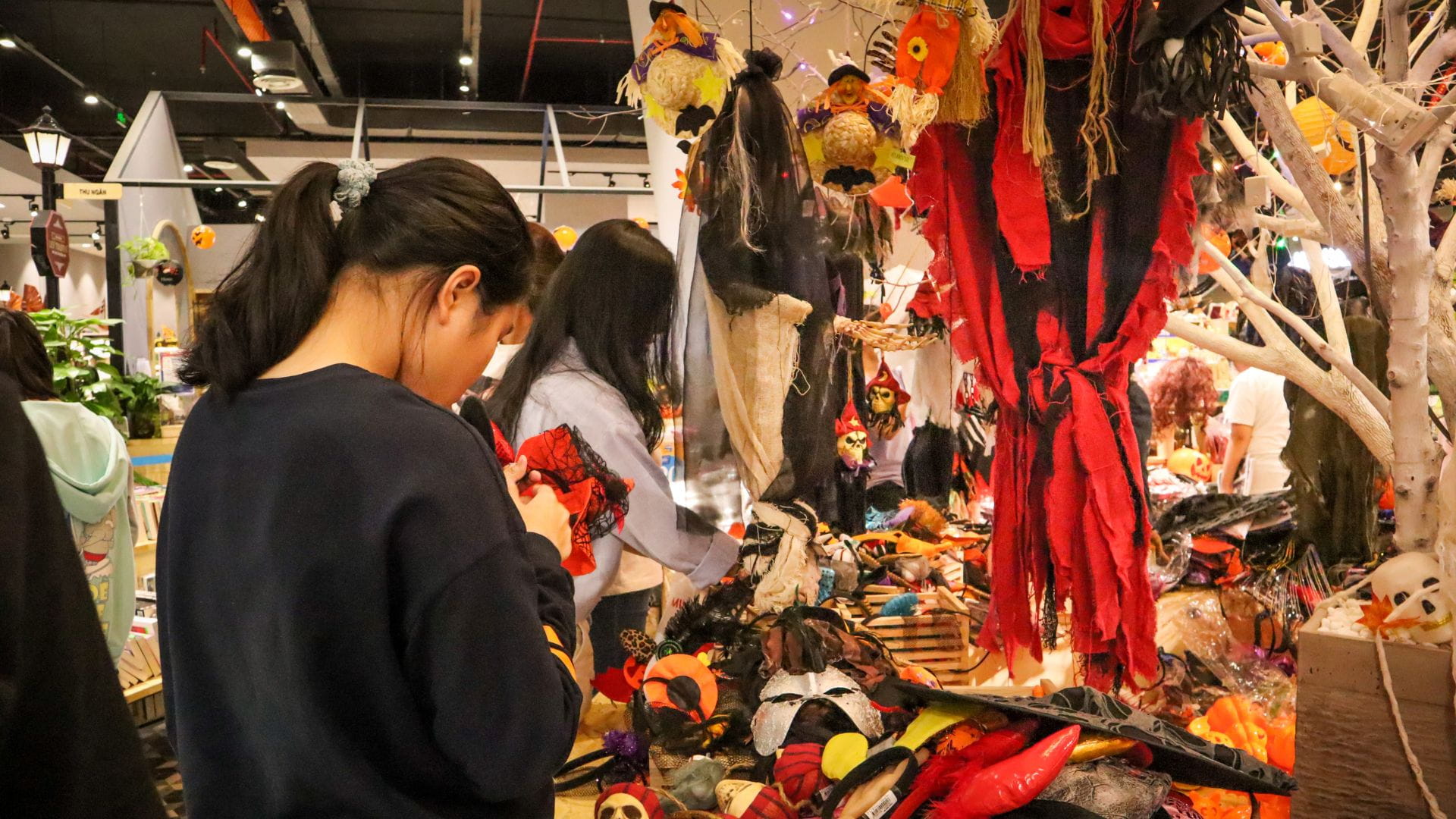
Americans are on track to spend $13.5 billion on Halloween this year, according to the National Retail Federation. That tops last year’s record of $13.1 billion. The survey, conducted by Prosper Insights & Analytics, also found shoppers watching their budgets. Nearly half plan to start shopping by September, and some of those early shoppers say they are doing it to stretch their money.
The Average Shopper Is Barely Spending More
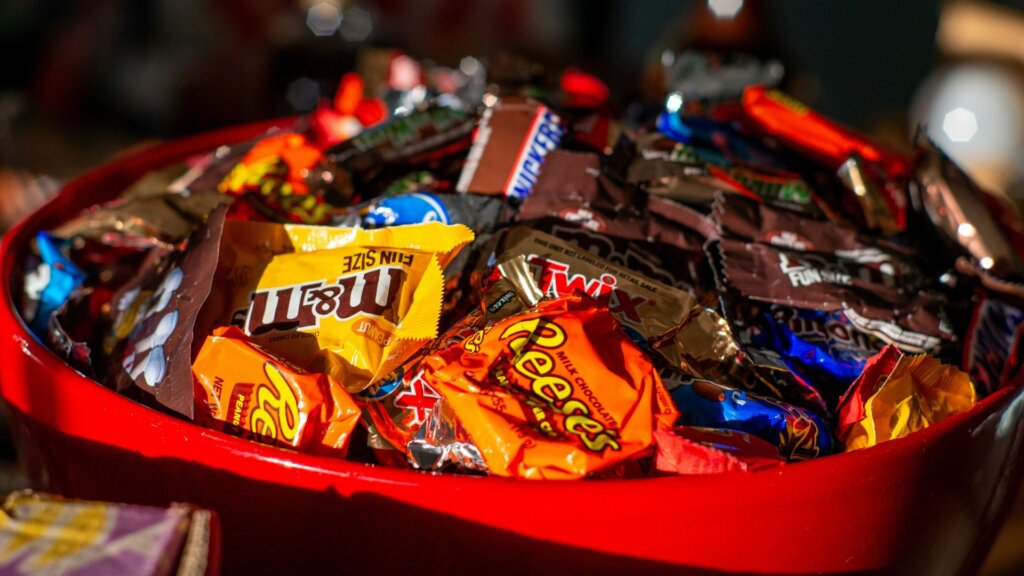
The record total comes with a small per-person change. NRF projects the average Halloween shopper will spend $115.14 this year, compared with $114.45 in 2025, a gap of 69 cents. A separate Method1 study of 1,200 US consumers found 45% feel more open to indulging than they did a year ago, so careful budgeting and a willingness to treat themselves are showing up side by side.
Discount Stores Lead the Shopping List
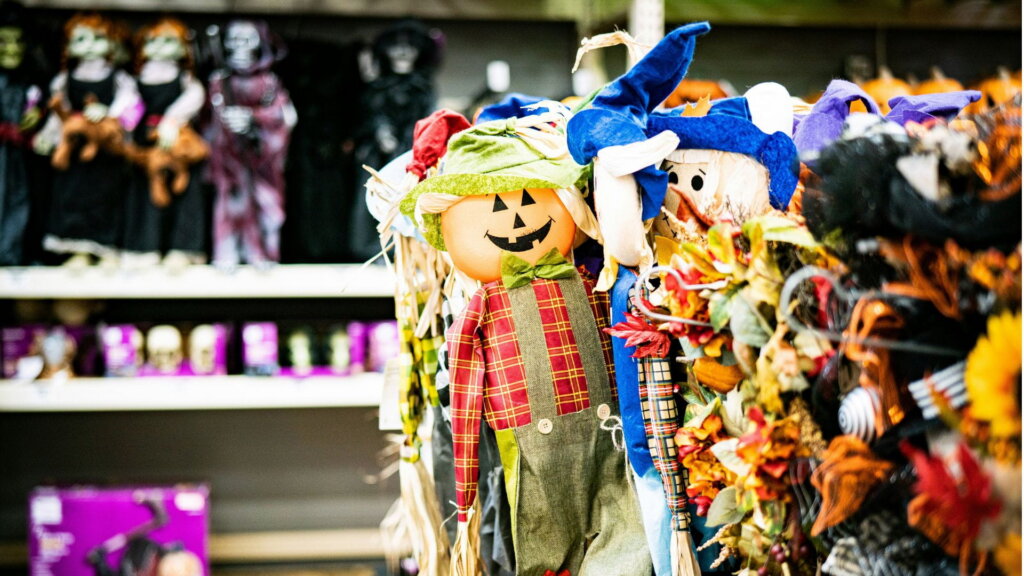
When it comes to where people plan to buy, discount stores come out on top at 39%, according to NRF. Halloween and costume stores follow at 32%, and online retailers sit at 27%. Costume shops still draw nearly a third of shoppers, and online retailers are close behind. Shoppers were asked where they plan to make their Halloween purchases this year.
Small Businesses Are Getting More Love
Local and small businesses are carving out more room. NRF found 13% of shoppers plan to buy something for Halloween from one, almost double the share from a decade ago. That is still well behind the top categories, but the climb over ten years stands out in a list led by discount stores and costume shops. The figure comes from the same NRF survey.
Nearly Half Start Shopping by September
Halloween shopping keeps moving earlier on the calendar. NRF says 49% of consumers surveyed planned to start in September or before, about the same as last year. The survey also points to a noticeable uptick over the past 10 years in the number of people who shop before October. According to Retail Dive, shoppers expect to spend more than in 2025 and 2024 even as more of them buy earlier.
Early Shoppers Say It Helps Their Budgets

Among people who shopped early, 23% said they did it to spread their spending out, according to NRF. Another 21% said they wanted to take advantage of affordable prices and promotions, a similar share. Retail Dive described a mix of motives, with some shoppers enticed by early deals and others spooked by high prices, and both reasons come back to money.
NRF Says Shoppers Are Being Strategic
Allison Zeller, NRF’s vice president of industry and consumer insights, said consumers continue to make Halloween a spending priority while approaching the season with affordability in mind. She described shoppers as thoughtful and strategic, looking for ways to maximize value. Zeller added that retailers understand those priorities and are offering products across a wide range of price points. She made the comments in a statement.
Nearly Half Are Using AI to Shop
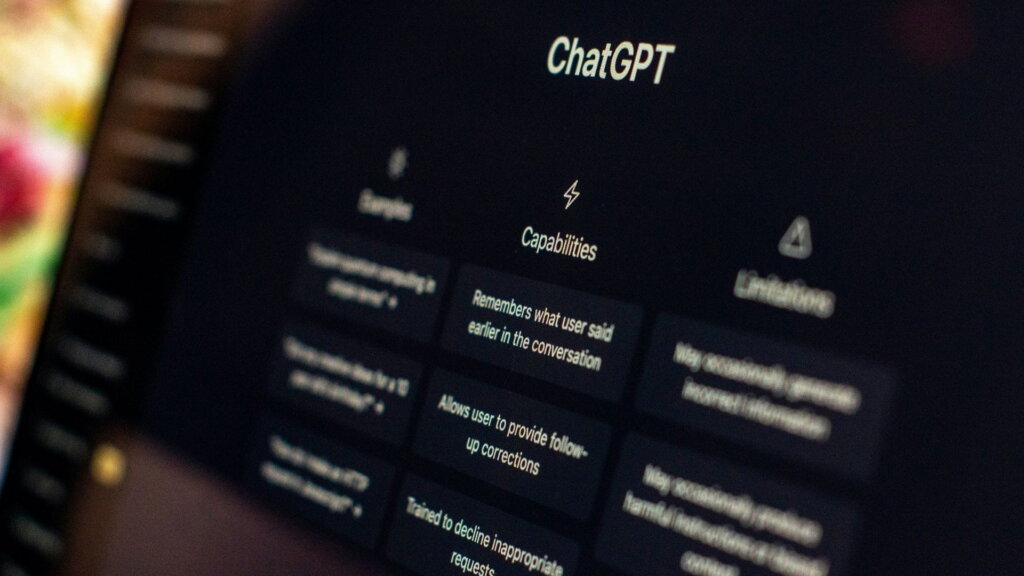
Nearly half of shoppers, 47%, are using AI to support their Halloween shopping, according to NRF. Brainstorming and generating ideas is the top use at 34%, followed by asking for recommendations during product research at 32%. Phil Rist, Prosper’s executive vice president of strategy, said many consumers are using these tools to brainstorm costumes and decorating themes, explore product options, and find inspiration for their celebrations.
Cool Weather and Winter Holidays Add to the Rush
Cooler fall temperatures are also nudging people into the aisles, according to NRF research on why Halloween seems to arrive in stores earlier every year. In a Sept. 1 NRF report, 42% of shoppers said they are celebrating the drop in temperature by starting their Halloween shopping. The same report found that more than half (54%) are shopping for the winter holidays before November to stretch their budgets.
Halloween Prep Looks Different These Days
Halloween prep looks different these days. Prosper’s Phil Rist says AI is becoming increasingly common in shopping, and shoppers are already leaning on it for ideas. Discount stores, costume shops, online retailers, and local businesses are all on the list this year, according to NRF. With a record $13.5 billion forecast and affordability on shoppers’ minds, planning is well underway.
