


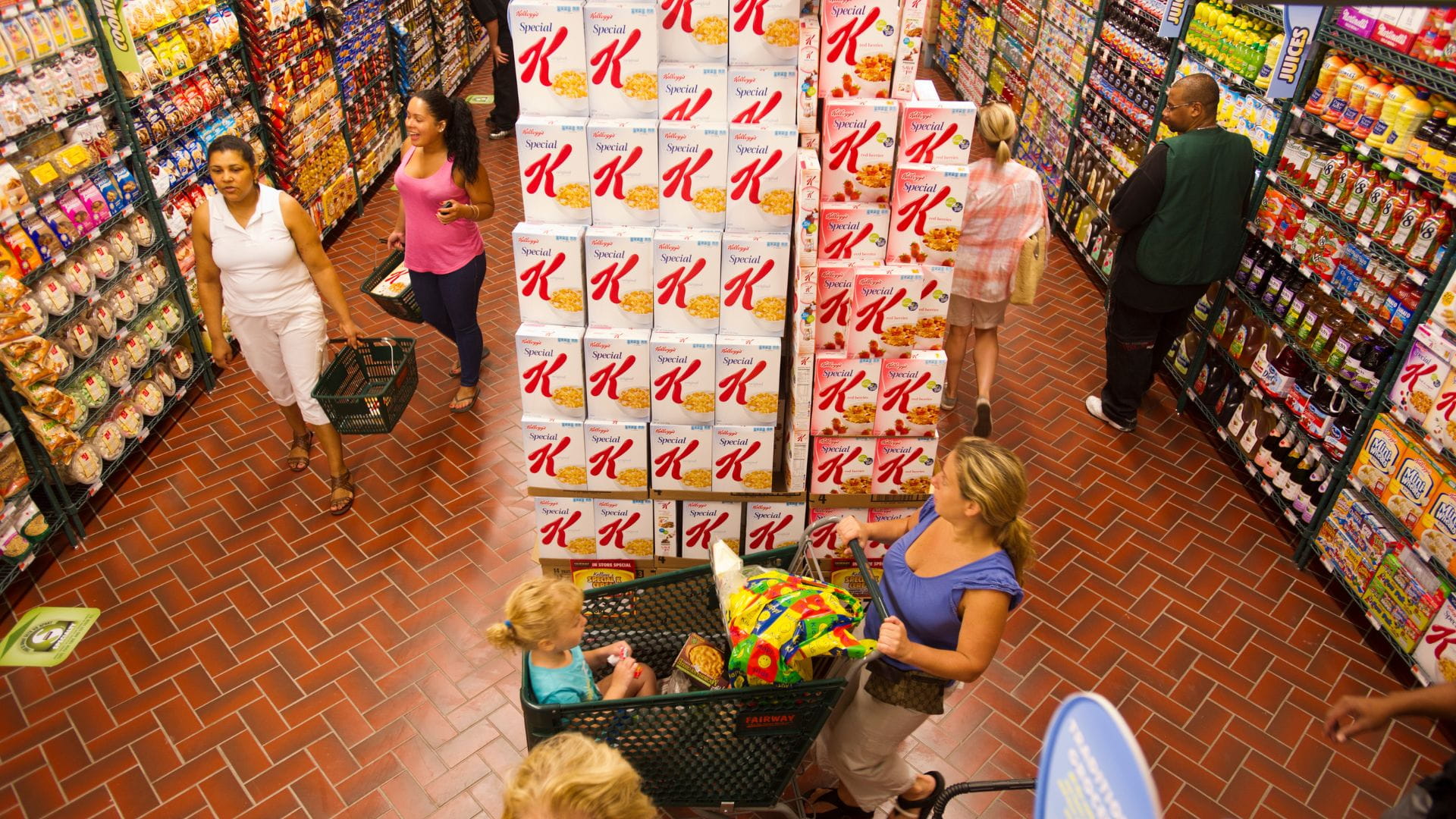
Nobody pulls into the parking lot planning to overspend, yet the total at the register has a habit of landing higher than the cart looked. Rising prices don’t help, but a few everyday routines can add to the damage too, like when you shop, how you compare sizes, and which version of a product you reach for. Five of them come up again and again, and every one is fixable.
Prices Aren’t Doing You Any Favors
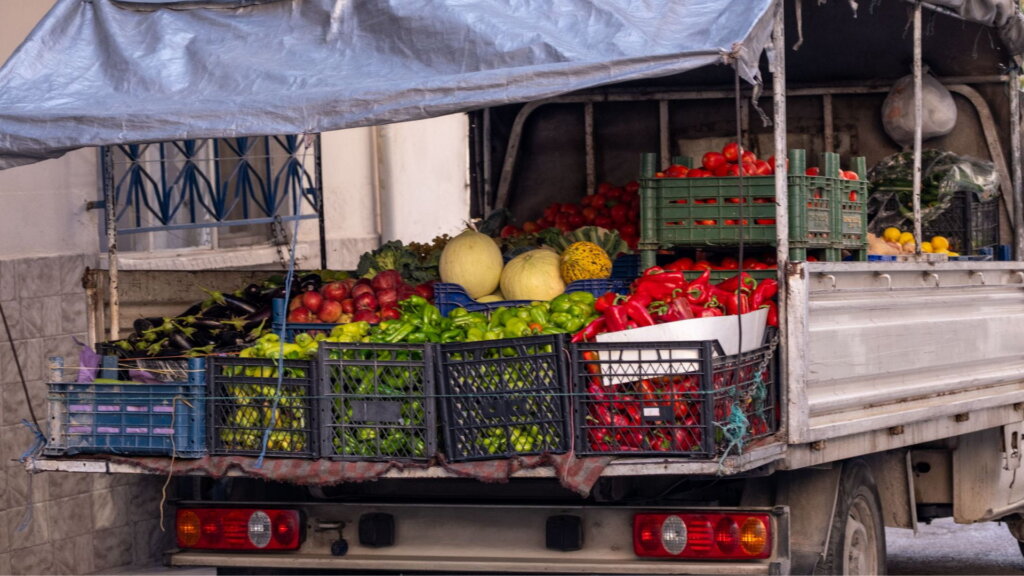
Grocery inflation has bounced around all year, but October’s 0.4% jump was the biggest since April, the Bureau of Labor Statistics reported. Ricky Volpe, a professor of agribusiness at California Polytechnic State University, expects food-at-home prices to climb faster than average into early 2027, citing high diesel costs and an El Niño expected to be especially powerful. Your habits are the part of the bill you can steer.
1. Skipping the List
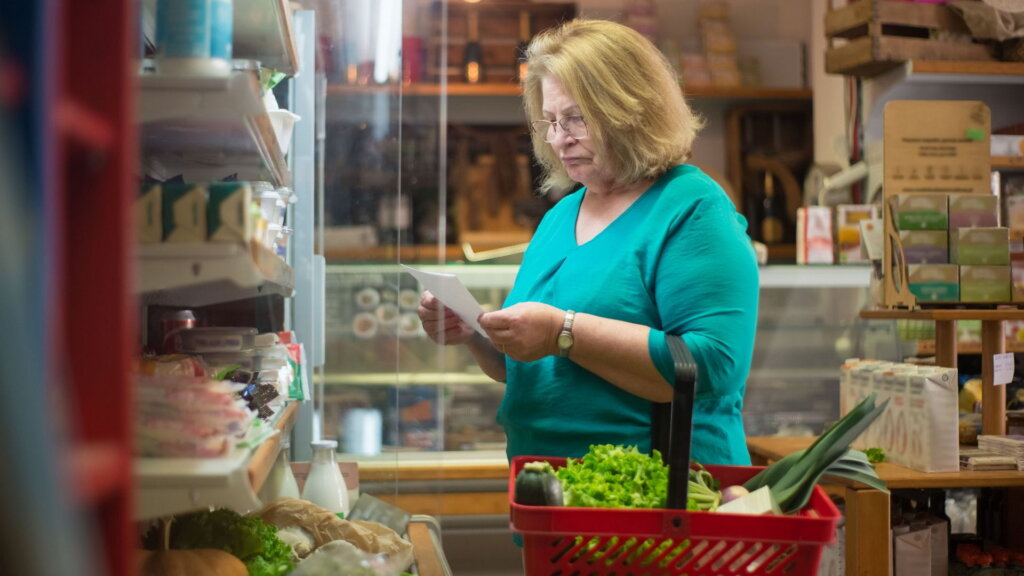
Strolling the aisles with no plan is how a quick trip turns expensive. All three dietitians consulted by Better Homes & Gardens named a missing list as the costliest mistake, since it invites impulse buys, duplicates, and forgotten items that force a return trip. A few planned meals and a handful of staples can break that cycle, dietitian Samantha Peterson says, and Juliana Vocca notes a quick phone list works.
2. Shopping on an Empty Stomach
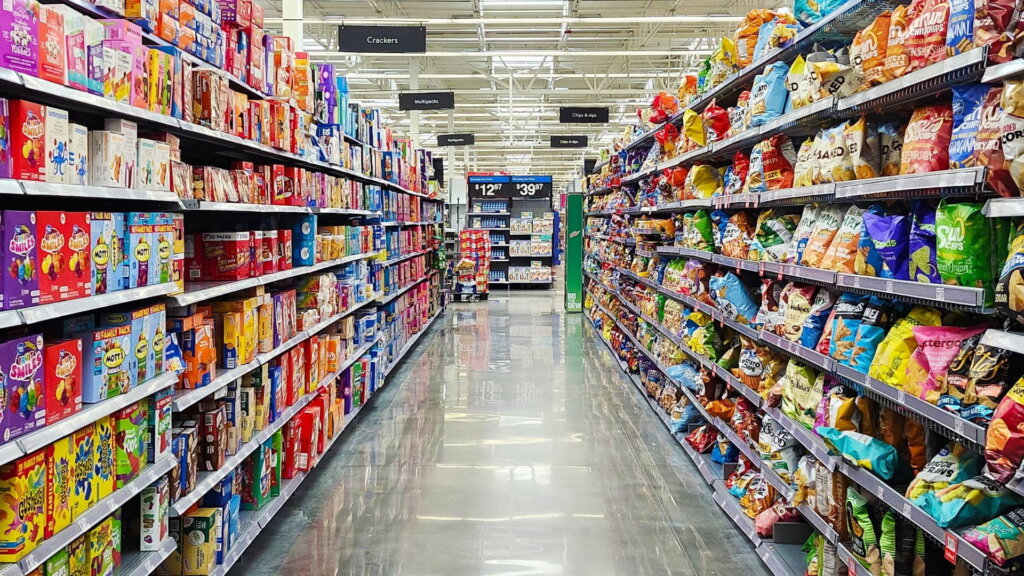
That old rule about never shopping hungry has real money behind it. A growling stomach pushes you toward quick, ready-to-eat foods, which is how end-cap cookies and grab-and-go snacks land in the cart. Dietitian Juliana Vocca says those tend to be the priciest items per bite, and that people who go longer between meals buy more unplanned food. A small snack beforehand is an easy fix.
3. Ignoring the Unit Price
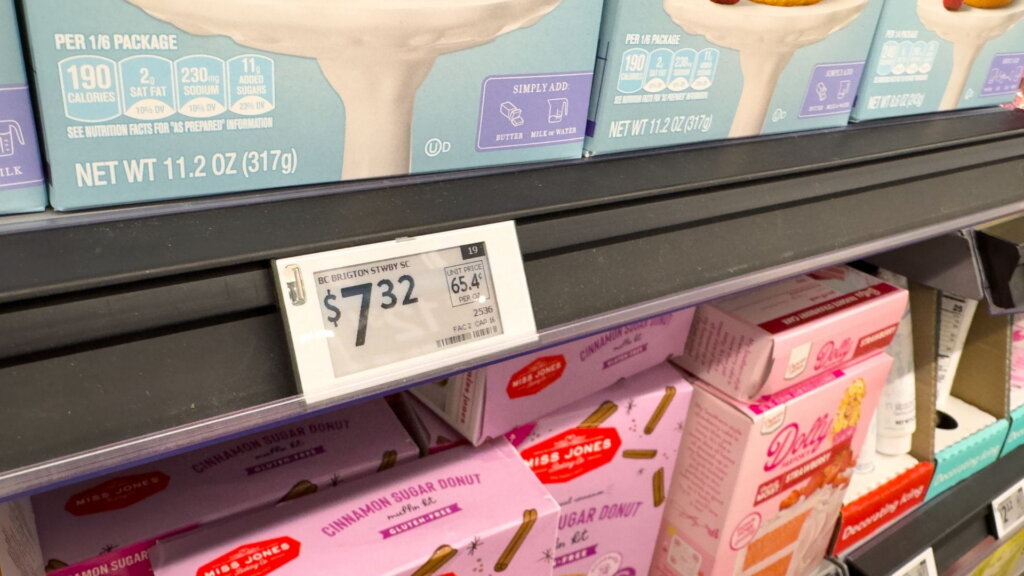
A bigger package or a bright sale tag isn’t automatically the better deal. At most stores, the shelf tag already lists the price per ounce or unit. Take rice: $4 for 8 ounces is 50 cents an ounce, while $6 for 16 ounces is 37.5 cents, a 12.5-cent gap on every ounce. Dietitian Jessica Villalvir adds that two small jars of peanut butter can sometimes beat one big one.
4. Paying for Someone Else’s Prep Work
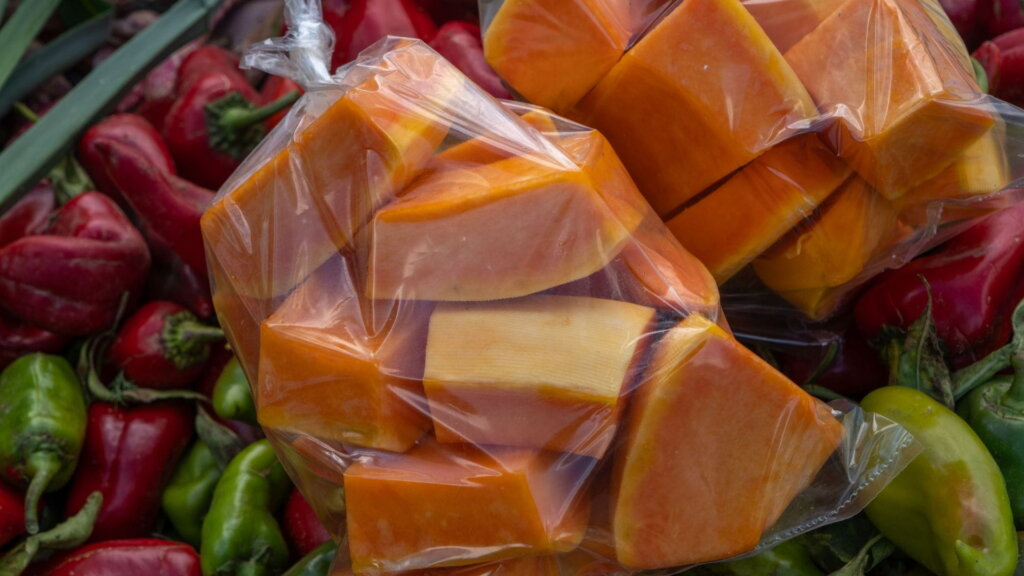
Convenience has a price tag, and much of it goes to labor and packaging. Dietitian Juliana Vocca puts the markup on pre-cut fruits and vegetables at around 40%, and says pre-marinated chicken, pre-formed burgers, and pre-trimmed meats can cost 60% more. Bakery cakes, muffins, and pastries can run 300 to 400% more than baking from scratch. Still, a bag of pre-chopped onions on a busy night can earn its spot.
5. Sticking With Name Brands Every Time
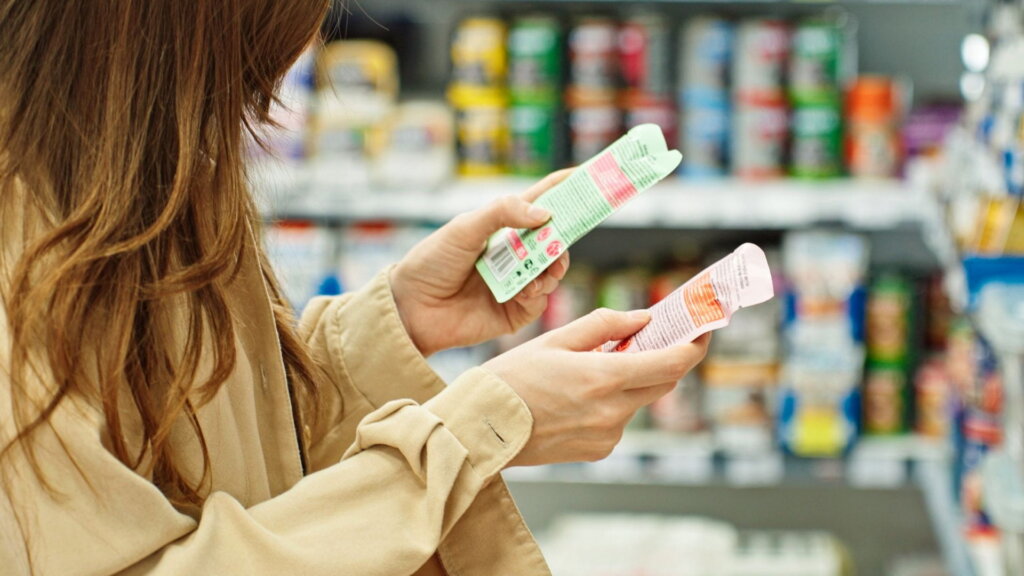
Loyalty to a favorite brand is fine, but it isn’t always the cheap option. Store brands cost about 25% less on average, according to dietitian Juliana Vocca, who adds that many come from the same manufacturers as name brands. Grains, canned goods, frozen produce, and pantry staples are easy swaps. Sauces, condiments, and specialty snacks are where taste differences show, and comparing ingredient lists can settle it.
Seasonal Produce Saves Money Too
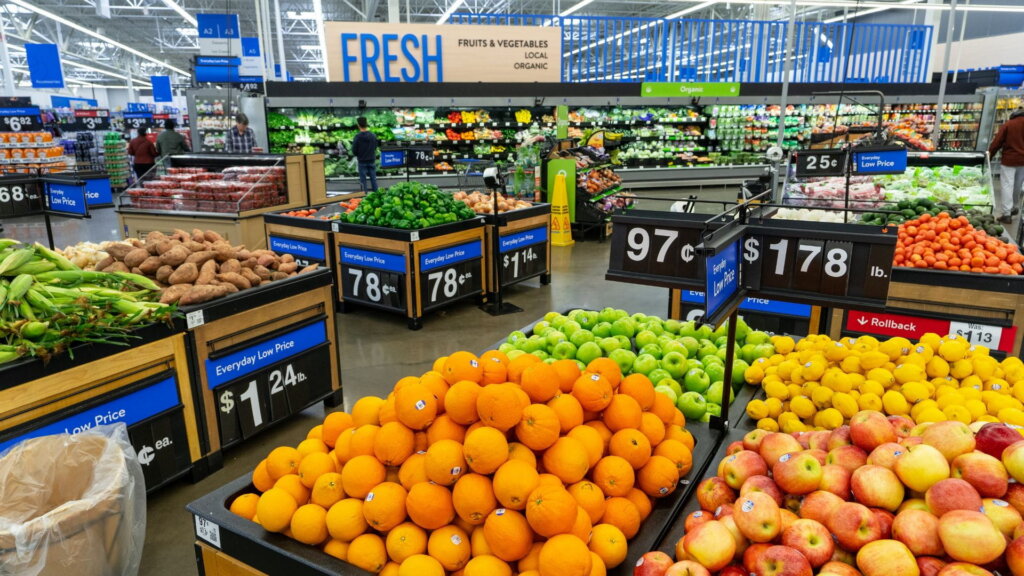
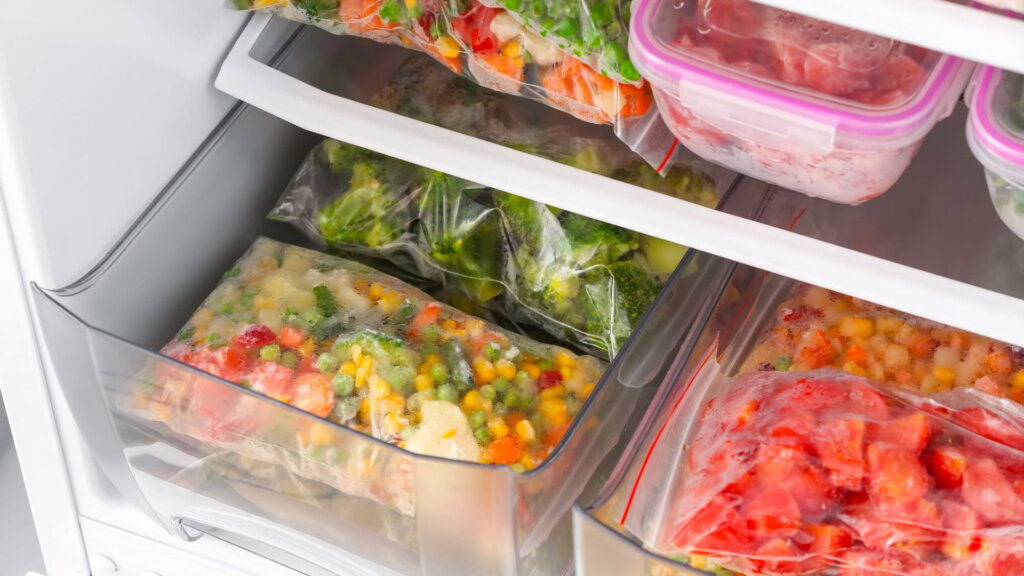
Out-of-season produce comes with a travel bill. It often costs more because it’s shipped from farther away or grown in less than ideal conditions, and it can taste flatter, so it’s more likely to go unused. The freezer aisle is a workaround. Frozen fruits and vegetables are harvested at peak ripeness and flash-frozen, and dietitian Juliana Vocca says they can cost less than half as much as out-of-season fresh ones.
Food You Toss Is Money You Spent
Overbuying perishables like raw meat, seafood, berries, and leafy greens is an easy way to throw cash away, and misreading date labels can send perfectly good food out early. Rushing doesn’t help either. Dietitian Samantha Peterson says hurried shoppers are more likely to grab convenience items and double up on things they already own. Both come down to shopping on autopilot, which is what a plan is built to interrupt.
Shoppers Still Feel in Control
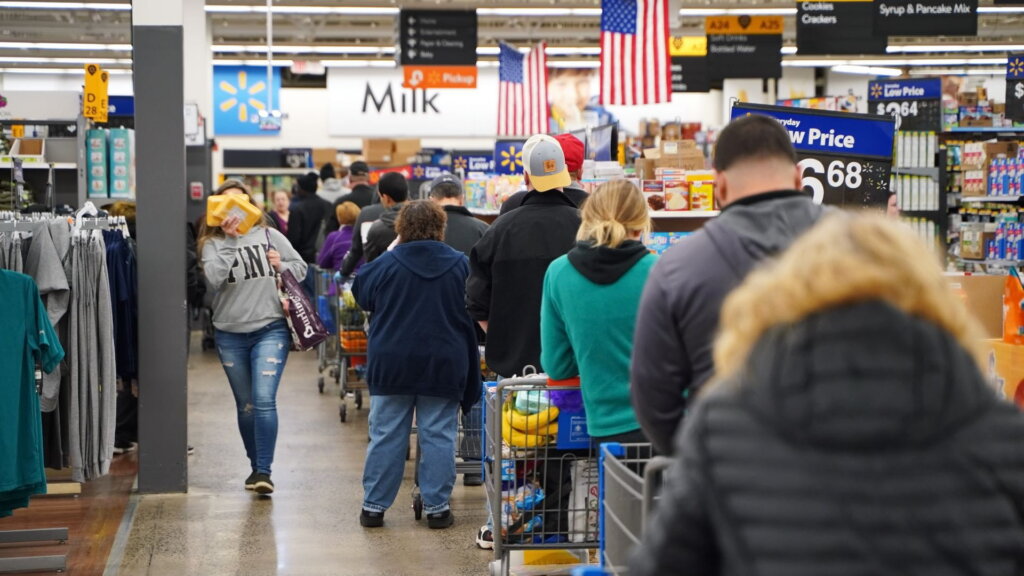
Most shoppers aren’t panicking. In a survey by FMI, The Food Industry Association, 62% said their income isn’t keeping up with inflation, yet more than 70% said they’re doing OK as long as they stick to a budget. FMI’s Steve Markenson says shoppers still feel a sense of control, even though concern about prices has stayed strong for the past two years.
