




Think about the last thing you bought on a phone, laptop, or tablet without putting on shoes. According to Visa data, online purchases made up 58% of domestic spending in the U.S. in 2026, up from 48% in 2019. Visa calls the shift the couch economy, and the details behind it show how everyday habits are changing around streaming, delivery, and apps.
The Rise of the Frequent Buyer
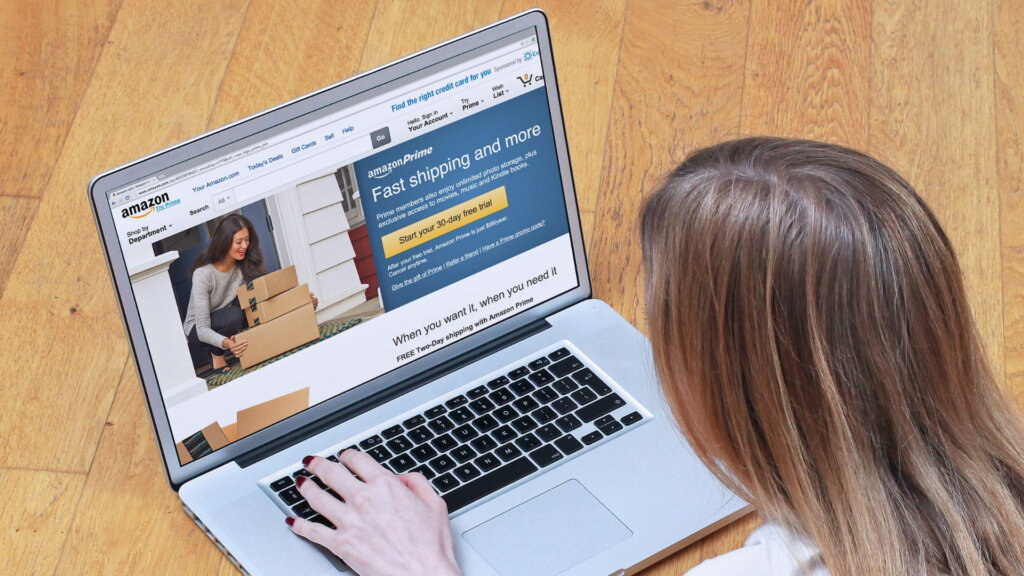
Visa’s data singles out frequent online or in-app buyers, meaning active cards with 10 or more transactions a month. That group grew from 13.1% of active U.S. cards in 2018 to 25.4% in 2026. Ten a month works out to more than two transactions a week. Mohamed Bardastani, principal CEMEA economist at Visa, pointed to the rise in frequent online and in-app purchasing as the strongest evidence of the shift.
From Pandemic Bump to Habit
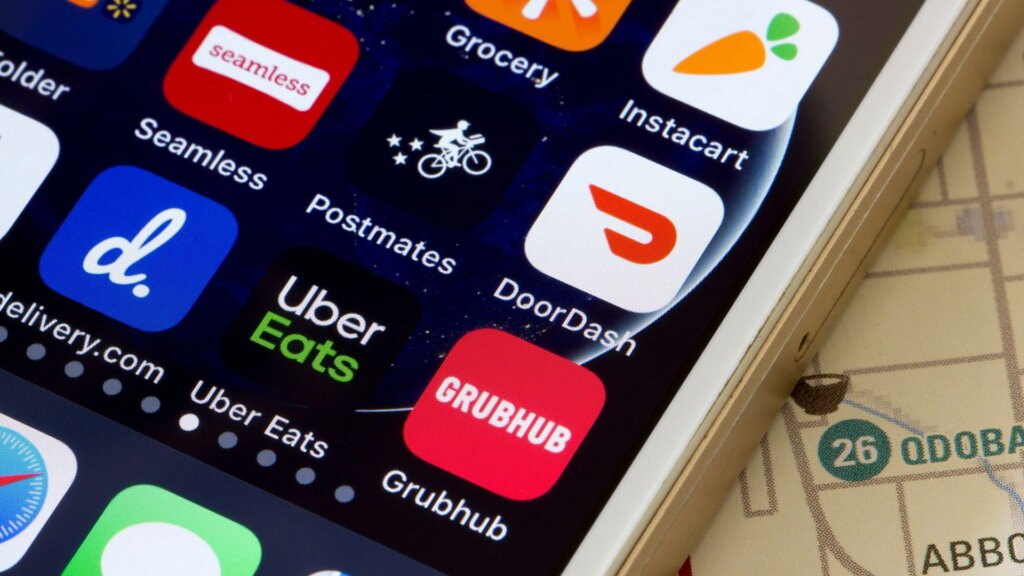
Online spending has been rising since the COVID-19 pandemic, said Wayne Best, Visa’s chief economist. What is different now, he said, is that digital behaviors are starting to become habits, with consumers engaging through many of the apps available to them. Best added that AI is taking a bigger role in helping shoppers find the best prices and deals as they buy online.
Streaming Takes a Bigger Slice

Visa said streaming platforms and services have become more affordable and accessible, making it a cheap night in instead of going out. In the U.S., subscription and pay TV purchases rose from 10% of card spending in 2019 to nearly 17.5% in 2026. Cinema and concerts grew too, though by less, from less than about 5% of card spending in 2019 to a little more than 6% in 2026.
Subscriptions Keep Climbing
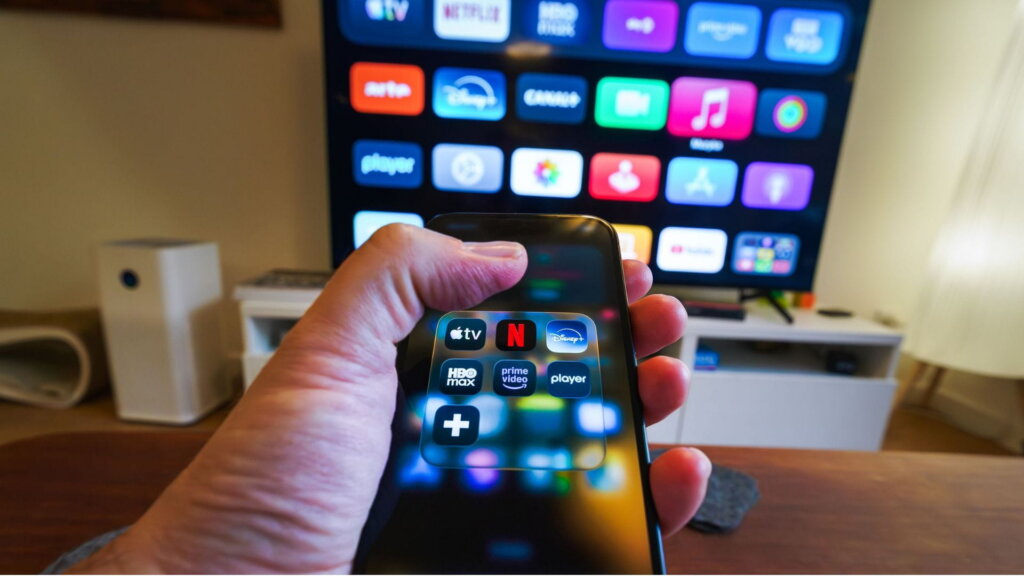
Bank of America Institute found that subscription spending, including streaming services, rose 7.7% in July from a year earlier, even as consumers are more cost-conscious. Subscriptions keep raising their prices, according to Shampaigne Graves, a women’s consumer expert and founder of Women’s Research Solutions, a market research and sales strategy firm in Dallas. People aren’t necessarily checking their statements at month’s end to see how it affects them, she said.
Delivery Apps and Pet Purchases
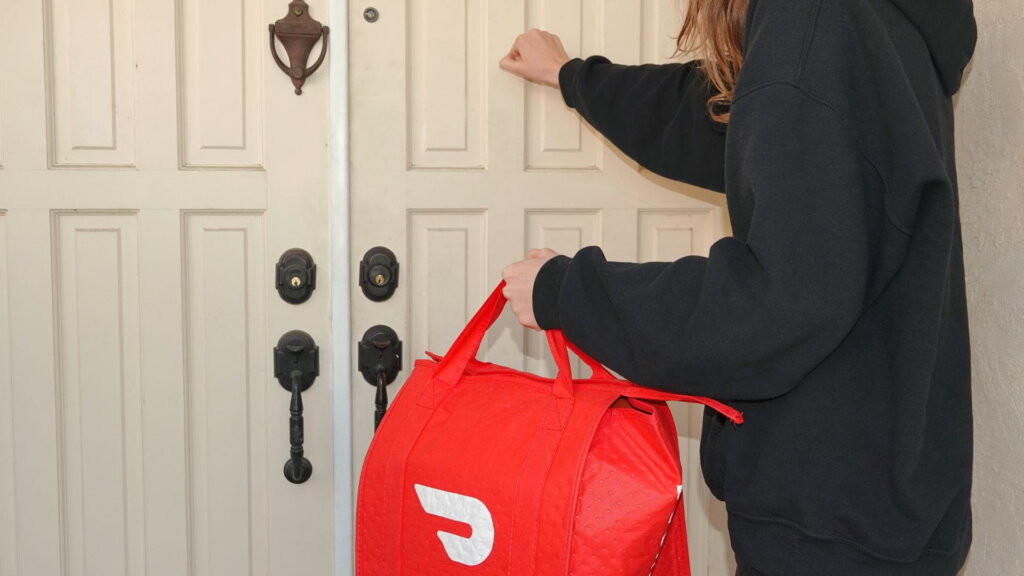
Food delivery shows up in the data too, with about 10% of card users in 2026 using delivery apps, according to Visa’s analysis. The same report found pet ownership and at-home spending on pets rising as people stay home with their pets. In the U.S., 8% of credit cards showed regular pet-related spending. The report adds that rising expectations for convenience are reshaping how people spend.
The Price of Convenience
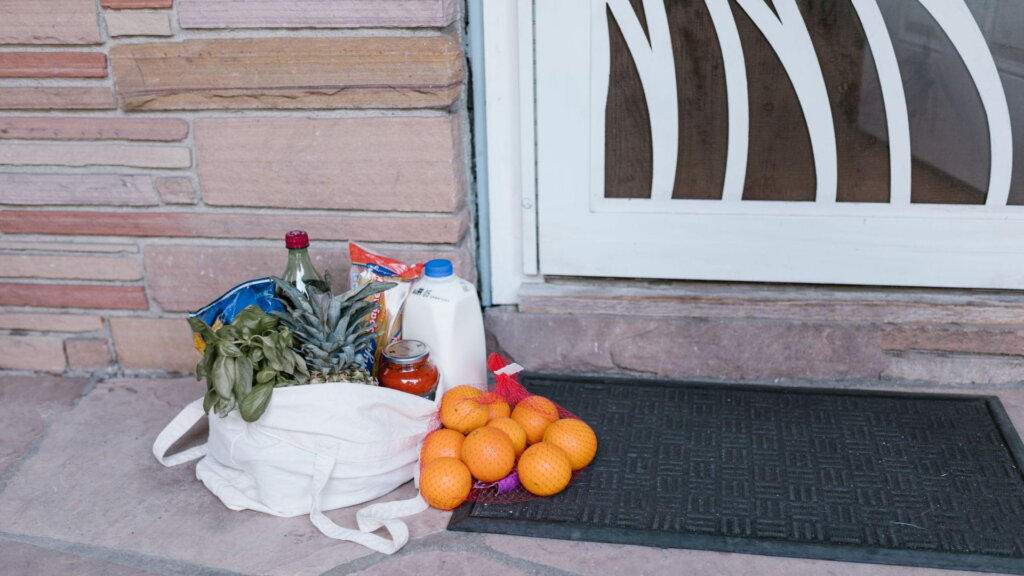
NerdWallet writer Kate Ashford gets groceries delivered about three times a month. Her Instacart orders carry a service fee, a shopper tip, and a markup on items at the store she usually orders from. When time is tight, she says, the extra cost may be worth it. Martin Lynch, president of the Financial Counseling Association of America, sums up the trade. “You’re saving some time, but you’re paying for it.”
When Buying Takes One Click
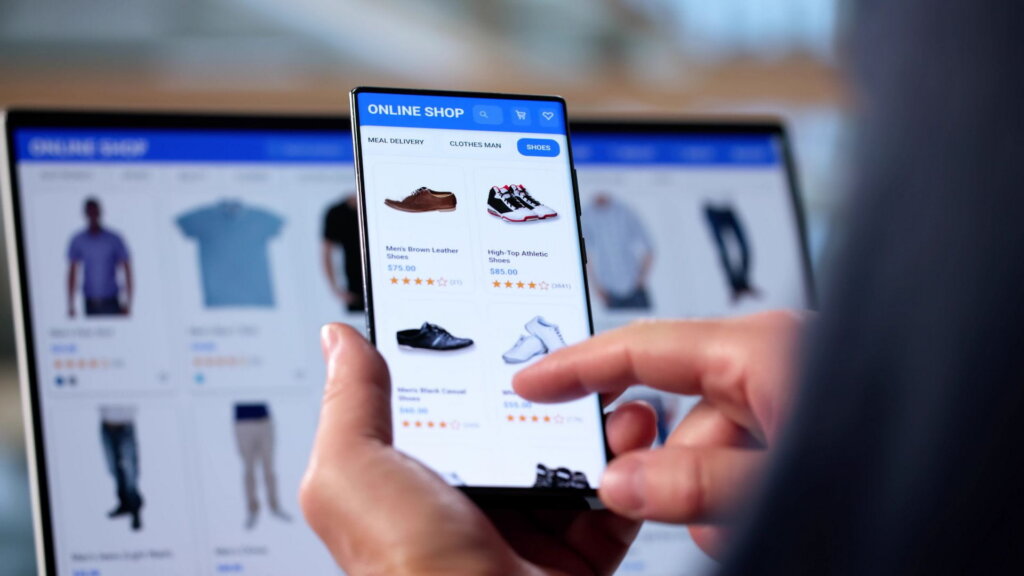
Sites have made it possible to buy with one click, which makes it easy to blow through a budget once digital spending is part of daily life. Corey Bates, an investment advisor representative at Solomon Financial in Carmel, Indiana, said online spending is hard to keep track of. Reviewing your budget regularly and spending with intention keeps money from slipping away.
Set Rules That Fit You

Rules help keep digital shopping inside a budget. Graves offers two examples. One is ordering delivery only from restaurants at least a few miles away. The other is keeping no more than three streaming subscriptions a month, or whatever number works for you. Lynch found grocery delivery worth the price when he broke his leg a couple of years ago, since he felt shopping online let him keep contributing.
Check Your Own Numbers

Before you decide what the couch economy costs you, go through your own statements. Look over a few months of transactions, total the fees and tips, and review your subscriptions. If the total surprises you, pick one thing to change, like cooking at home more or shopping in person. Visa’s research doesn’t show whether people are spending more overall or whether online purchases replace other spending.
