




Paying cash used to end with a few coins in your hand. Pennies were getting hard to find even before the U.S. Mint stopped making them in November 2025, and now Congress has passed the Common Cents Act, a bill that would let stores round cash totals to the nearest five cents. Whether that costs you anything depends on the details, starting with who gets to decide when rounding happens.
What the Bill Actually Allows

Under the bill, a retailer may round a cash total to the nearest five cents when neither side has exact change. The key word is may. Stores are not required to round, and shoppers who like exact change can keep paying that way. The House passed the bill unanimously on Sept. 14 and the Senate on Sept. 28, and as of Oct. 1, it awaited the president’s signature.
How the Rounding Works

The rule comes down to the last digit. A total ending in 1, 2, 6, or 7 may be rounded down to the nearest 5 or 0, and one ending in 3, 4, 8, or 9 may be rounded up. That means $12.52 becomes $12.50, $12.53 becomes $12.55, and $12.48 becomes $12.50. A total that already ends in 5 or 0 needs no rounding at all.
When You Could Pay a Little Extra

Only small totals tilt against the cash customer. If a total is 1 or 2 cents, the merchant may round it up to a nickel. Everywhere else, the rule moves a total by 2 cents at most. Jeff Lenard, a spokesman for the National Association of Convenience Stores, joked that for penny candy, “you might want to buy three of them,” since 3 cents rounds to the same nickel.
Who Comes Out Ahead

The National Association of Convenience Stores asked consumers who comes out ahead under rounding. Twenty-five percent said retailers and 10% said customers, while the other 65% guessed no one, which is the answer the math supports, small totals aside. Steve Kenneally, senior vice president for payments at the American Bankers Association, said, “Over the long run, it should equal out,” since rounding up and down should happen about equally often.
Why the Penny Went Away
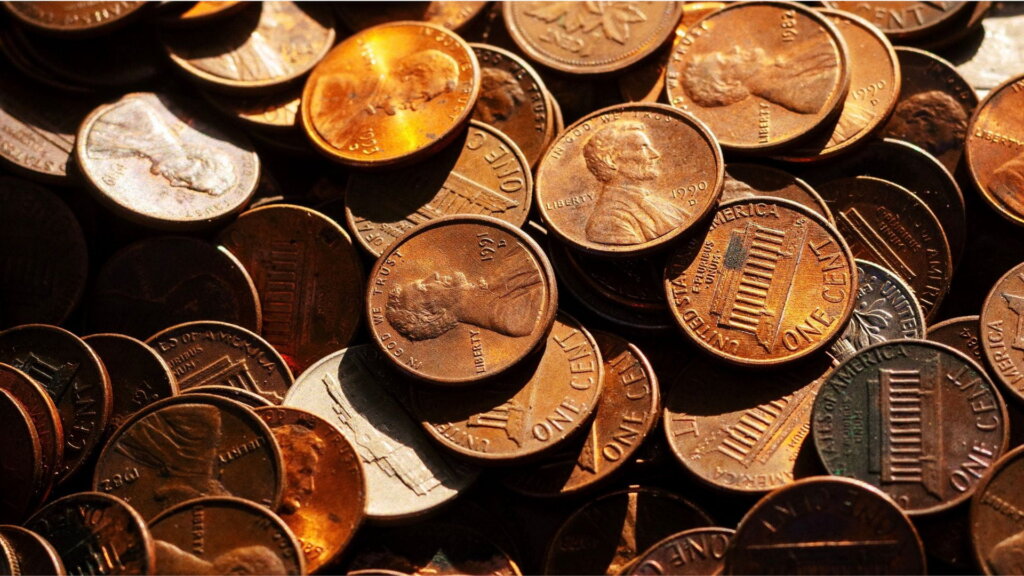
Pennies ended up costing more than they were worth. In 2024, the U.S. Mint spent 3.69 cents making each one, a loss of about $18 million for the year. President Donald Trump ordered production halted, and the Mint stopped in November 2025 after 232 years. The Treasury estimated annual savings of $56 million. If the Common Cents Act becomes law, it would also keep a future administration from reversing course.
What Registers Look Like Now

Pennies remain legal tender, and roughly 114 billion are still in circulation, but they are not always where cashiers need them. Convenience stores, in particular, have struggled because their sales are small and often paid in cash. Kenneally said the coin trays that used to brim with pennies are now “all silver coins.” Some merchants, wary of customer distrust, even round every sale down and lose money doing it.
Where Rounding Is Illegal Today
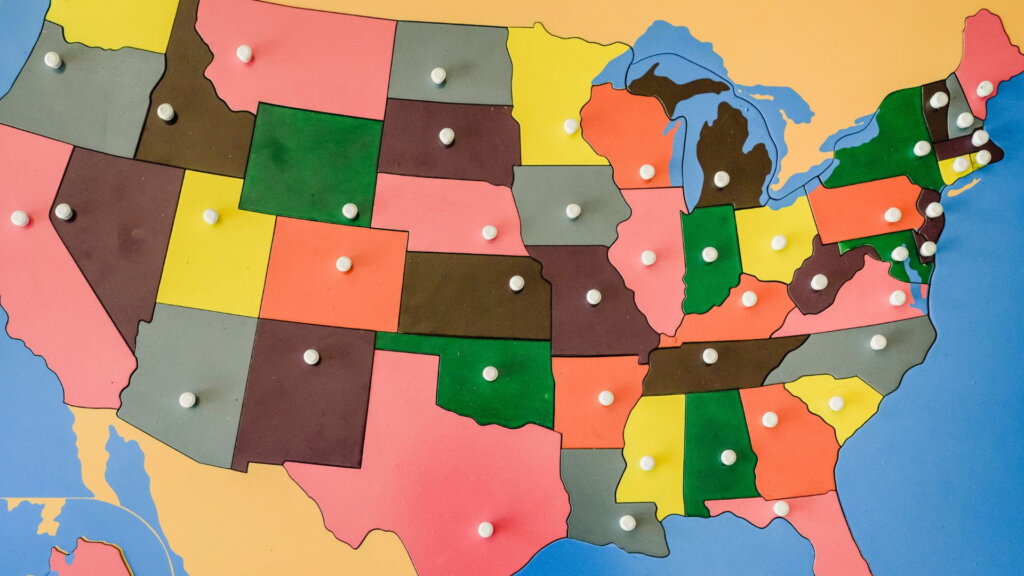
Rounding is not legal everywhere. Dylan Jeon, vice president of government relations at the National Retail Federation, said about a dozen states and some cities bar businesses from charging cash customers a different price than anyone else, and rounding creates exactly that difference. Federal SNAP follows the same rule. The Common Cents Act would effectively overrule those laws, and businesses are rounding with little clarity in the meantime.
Will the Nickel Be Next?
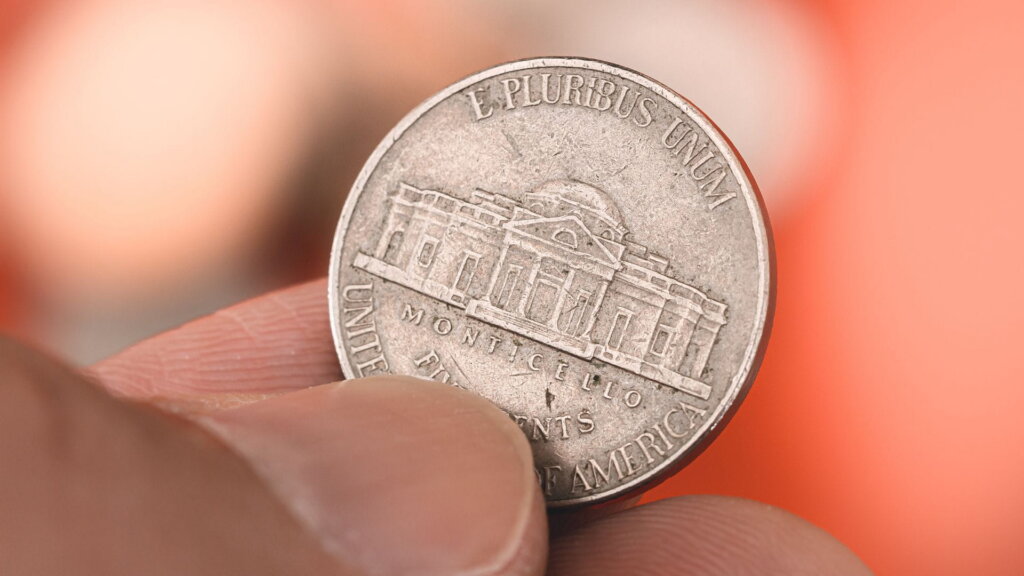
Nickels lose more per coin than pennies did. The Mint spent 13.78 cents on each one in 2024, a loss of nearly 9 cents, because they are larger and made of costlier material. Coin experts predict an eventual phase-out. The Common Cents Act would require the Treasury to notify Congress before eliminating another coin and would let the Mint seek a cheaper formula that does not disrupt coin-op machines.
What Lawmakers Plan to Watch

So will you pay more? Over time, rounding should even out, but Congress wants to see who it touches. The bill would direct the Treasury to examine its effect on low-income people, older consumers, and debanked people, among other groups. It also sets an exception for cash wages, which must be rounded up when the total is not divisible by 5 cents, Fox News reported.
