


Plenty of everyday purchases used to go in the cart without a pause. Now a lot of them mean checking the budget first, and some have drifted out of reach for many households. The list runs through the place you live, the shows you watch, and even the shoes on your feet. Even the basics of getting started as an adult look different now.
Buying a First Home

The old path looked simple. Young adults often moved out, rented a place, saved for a couple of years toward a down payment, then got a mortgage and bought a house. Harvard’s Joint Center for Housing Studies found the median renter spent 31% of income on rent and utilities in 2024, up from 27% in 2001. That four-point climb can leave less room to save.
Cable TV
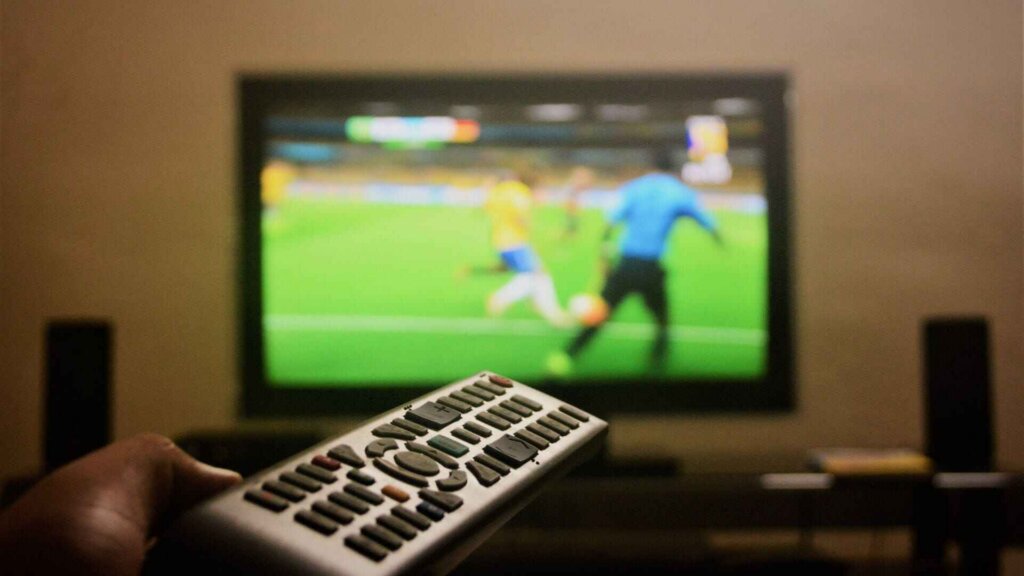
Nearly every home once had cable. The FCC found cable operators charging an average of $45.26 a month for expanded basic service in January 2006. Leichtman Research Group put the average pay-TV bill at $103.10 in 2016, though the two measure different things. Fortune tallied eight ad-free streaming services at $139.41 a month as of July. For viewers who cut the cord to save money, the gap can close quickly.
Used Cars
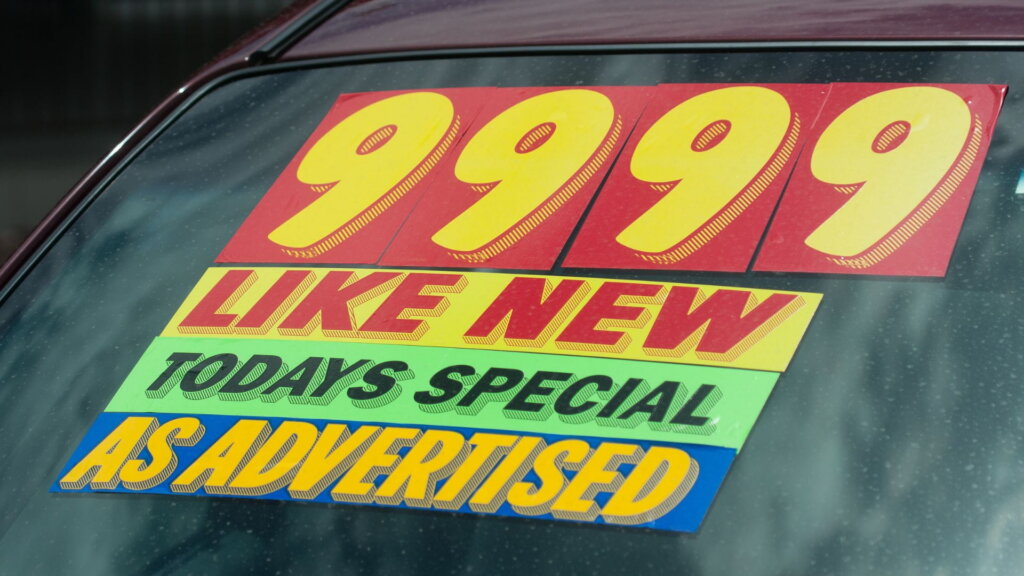
Buying used has long been the budget-friendly move, and it still costs less than buying new. Prices are climbing, though. Cox Automotive put the average used listing at $27,239 in August, up 7% from a year earlier. With new vehicles averaging a record $51,109, according to Kelley Blue Book, more shoppers are heading to the used lot. The affordable ones can be hard to find.
Appliances That Last
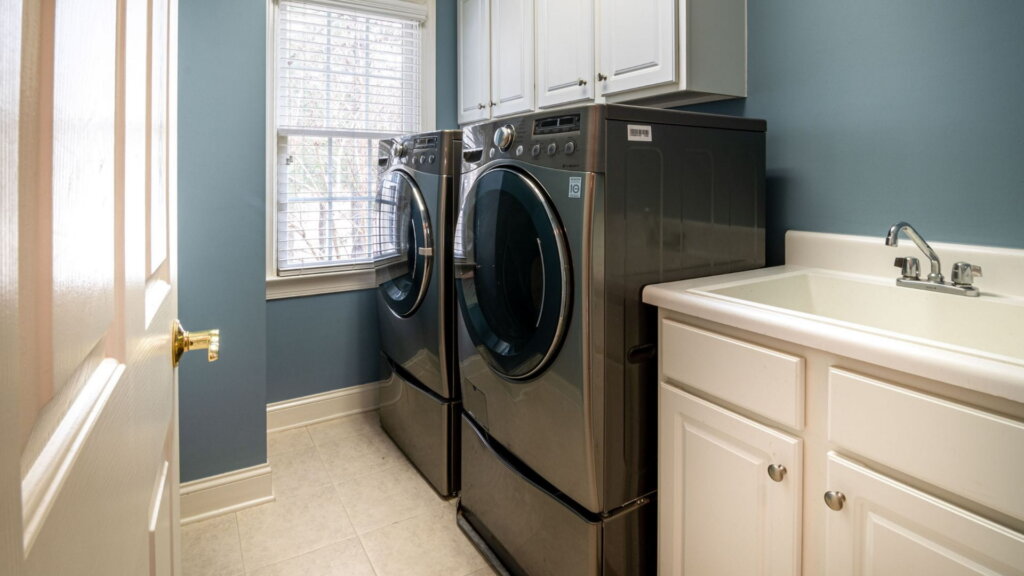
Standard warranties on household appliances commonly run somewhere between 90 days and a year. Once coverage ends, repair costs fall to the owner, which puts a lot of weight on choosing well. Finding a well-made large appliance at a reasonable price can take hours of research and comparing reviews. That is a lot of homework for something that is supposed to just work.
Well-Made Clothing
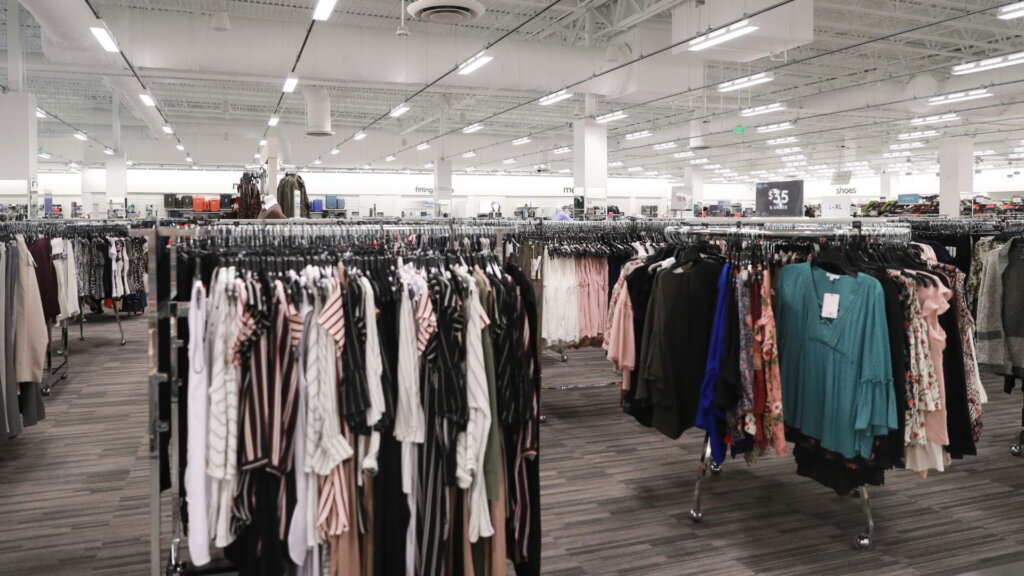
Buying new, well-made clothing can be a stretch for many households. Better-made pieces often carry higher price tags, while cheaper options may wear out sooner. That leaves shoppers weighing price against how long something will last. Department stores are shrinking their footprints, too. Macy’s announced 14 more closures for 2026 as part of a plan to put its investment into its stronger locations.
Everyday Sneakers
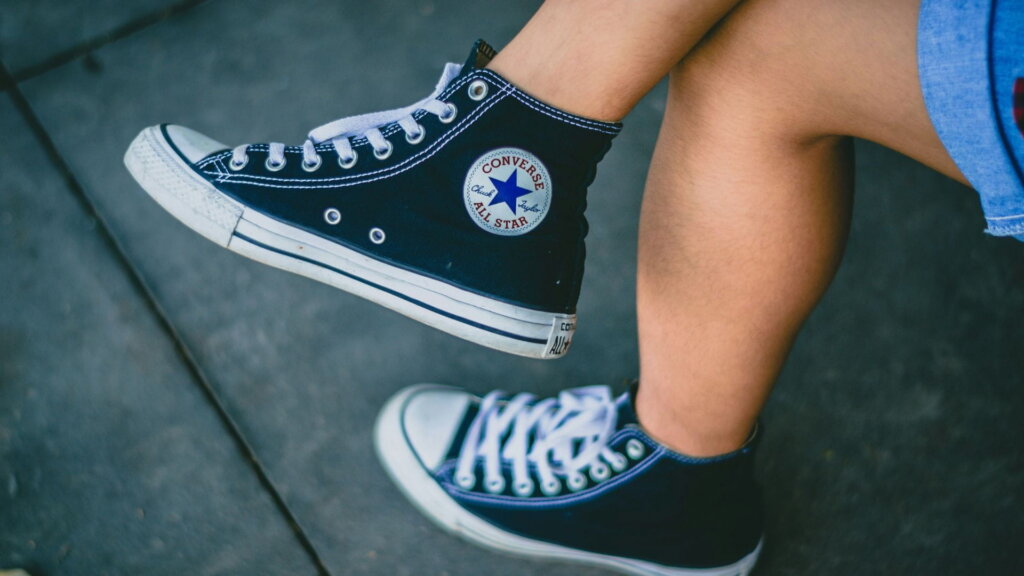
Even setting aside the status-symbol brands, everyday footwear has gotten pricier. A 2012 WGBH News report put the Converse Chuck Taylor All Star at $50, up from $45 a year earlier. Converse now lists the classic low top at $60, which works out to about 20% more than in 2012. Anyone who remembers Chucks as a bargain buy may notice the difference at the register.
Solid Wood Furniture
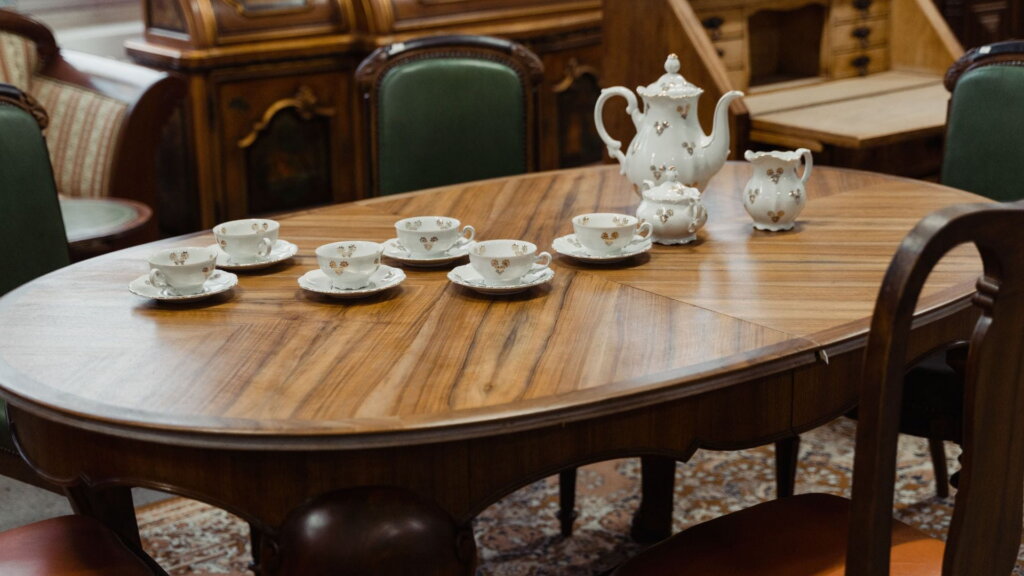
Shopping for furniture can feel a bit like decoding a label. Manufactured wood, engineered wood, particleboard, composite wood, and medium-density fiberboard (MDF) all mean the piece is not solid wood, which makes it hard to know what you are getting. Solid wood generally costs more than particleboard or plywood, and lower-quality pieces can need replacing sooner, so a lower price tag can cost more over time.
Owning What You Buy
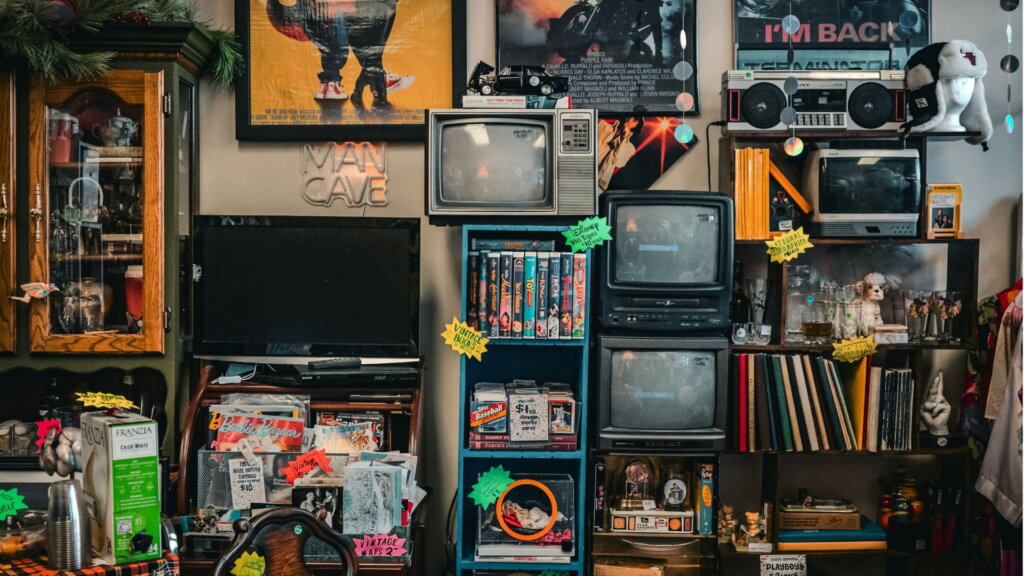
Books, movies, shows, video games, and software all used to come as physical copies you paid for and kept. Plenty of that has shifted to leasing digital copies, which the business that sold them controls and can remove without your consent. One-time purchases have also given way to subscriptions that keep drawing on your income for as long as you keep them.
Taking a Second Look

When workers lose buying power, the businesses that rely on their spending feel it too. With groceries and gas already a worry for the average worker, anything that is not a necessity starts to look like a luxury. Plenty of purchases that never needed a second thought now get one at the register, and for some households, they get skipped altogether.
